Trading-hours work and after-hours work are different scopes
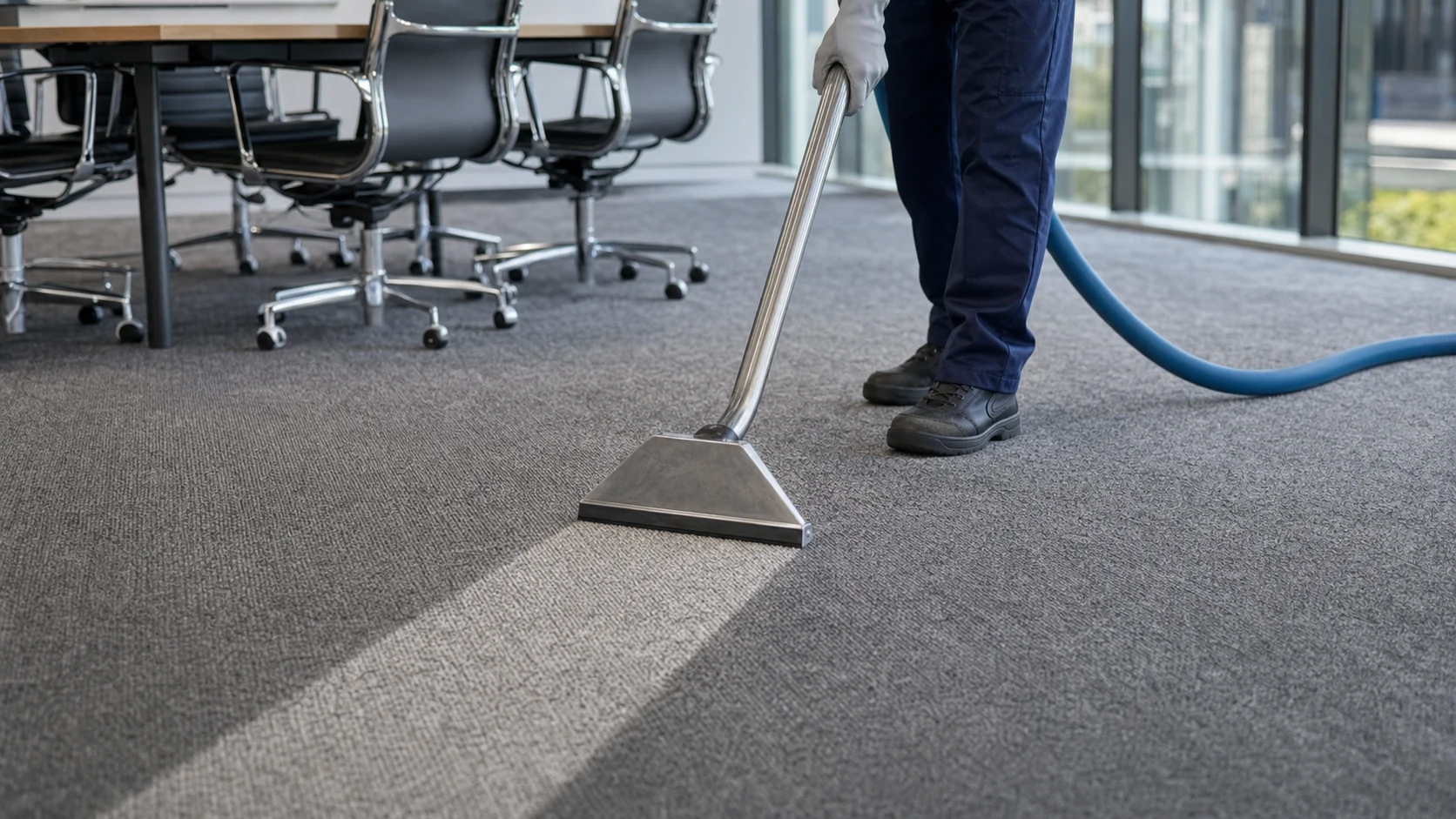
During trade, the shared seating needs continuous clearing: trays removed, tables wiped between users, spills dealt with immediately, bins emptied before they overflow. That is a presence-based task, judged on how the area looks at any given moment rather than on a task list. After trade, the same area needs a different job: floors done properly, chair bases and table legs cleaned, bin bodies washed and the surrounds detailed.
Writing both into one line produces confusion about what is being paid for. Separating them makes the cost visible and the expectation clear. It also lets a centre make a genuine decision about the trading-hours component, which is the expensive part, rather than discovering that an after-hours scope was never going to keep tables clear at lunchtime. It also gives centre management a defensible answer when a tenant asks why the seating looked full at midday.