
Chullora NSW 2190

Racking, mezzanines and structure above working height in Chullora

In a distribution centre the dust that bothers people is almost never on the floor. It is on racking beams, mezzanine edges and the structure above them, and none of that is reachable during a routine attendance. Planning it separately is the only approach that works.

In short

Routine work in a Chullora facility covers the office, amenities, crib rooms, pedestrian walkways and the swept lanes that are clear on the day. Racking uprights above the first beam level, mezzanine undersides, roof structure, high pipework and light fittings sit outside it. So do conveyor structures, sprinkler pipework and anything mounted to the roof frame.

The obstacle is not effort but access and operations. Reaching those surfaces needs elevated equipment, a stop in picking activity beneath and confirmation that the floor can carry the machine. Clean Best records the boundary in the fixed written proposal, and high-level work is planned as its own attendance with those conditions stated.

Why racking is not a general dusting item

Racking is a structural asset carrying tonnes of stored goods, and it is also a surface that collects fine dust for years. Cleaning it means working alongside loaded beams at height, sometimes with product still in place. That is a controlled activity, not a task that fits into an evening visit. Writing racking into a general dusting line implies it will happen, and it will not.

The first beam level is the sensible practical division. Below it, a cleaner can wipe uprights, clear debris from the base and sweep the aisle when it is clear. Above it, the work needs a platform. Stating that division in plain terms tells everybody what to expect when they look up, and it puts the higher work into a category where it can actually be scheduled and costed.
Mezzanines and the surfaces underneath them

A mezzanine creates two problems at once. The floor above is often used for packing or storage and behaves like an ordinary work area, so it belongs in routine work with its own stairs and edges. The underside, the support structure and the services running beneath it are a different matter, sitting above head height in a space that is usually full of stock or equipment.

That underside is where accumulated dust becomes visible from below and, in a food or pharmaceutical operation, becomes an audit finding. Treating it as a scheduled item with a stated method and a cleared floor gives a result that lasts. Attempting it opportunistically produces partial coverage and, more importantly, encourages somebody to improvise access from a stack of pallets. Naming the underside as a scheduled item also gives the quality team a date to point at during an audit.

Planning the high-level attendance so it actually happens

High-level work in a distribution centre needs four things settled before a date is useful: what equipment will be used, whether the floor can carry it, when picking will stop in the affected zone, and who clears the area beneath. Without all four, the attendance gets postponed on the day and often does not get rebooked. The proposal should therefore describe the conditions, not just the task.

It is also worth deciding what happens to product. Where stock cannot be moved, some areas will not be reached, and the honest position is to say which ones and record them. That gives the site a decision to make about whether to relocate stock or accept partial coverage, rather than a surprise afterwards about an aisle that was never touched. That decision belongs to the site rather than to the crew standing under the racking on the night.

High-level items to define at a Chullora facility

  • The first beam level named as the routine reach division
  • Mezzanine floor treated as a work area in routine work
  • Mezzanine underside and services placed in planned work
  • Equipment type and floor loading confirmed in advance
  • Which zones stop picking, and who clears beneath
  • Areas that will not be reached because stock cannot move
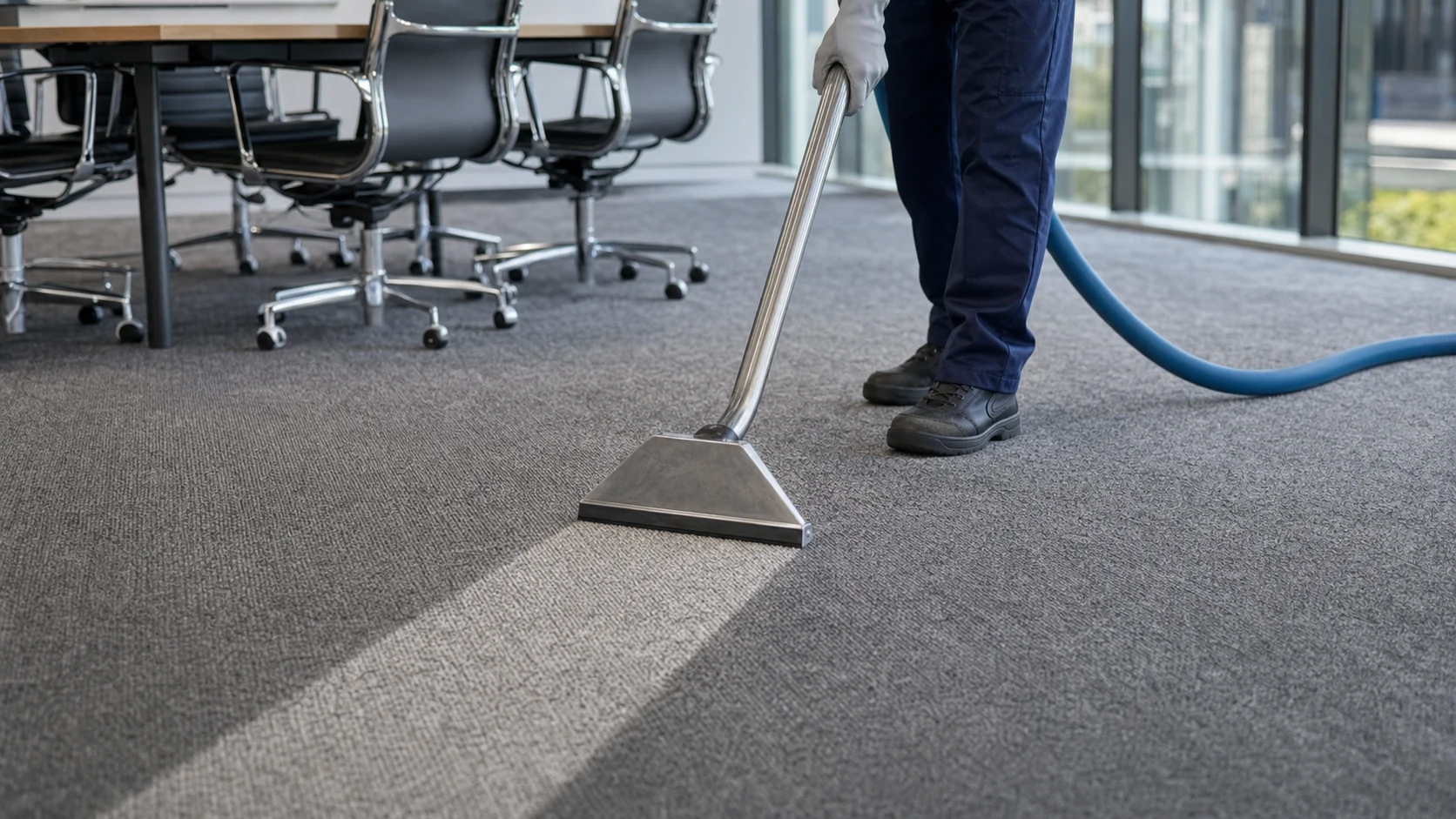
Clean Best completing scheduled periodic carpet cleaning in Sydney

Working in Chullora and the Canterbury-Bankstown

Chullora in Canterbury-Bankstown is built around distribution centres, warehouses and industrial facilities, many of them large-format buildings with high-bay racking, mezzanine offices and continuous operations across extended hours. Buildings of that scale accumulate airborne dust on structure long before anything is visible at floor level, and the operational cost of stopping a zone is the real constraint on cleaning it. That makes advance planning more important than frequency. Clean Best services Chullora from Seven Hills and confirms access, equipment and operational conditions before any high-level attendance is scheduled.

Questions about Chullora

Is racking included in a routine warehouse clean?

Only up to the first beam level, where uprights can be wiped and the aisle base cleared. Above that, the work sits alongside loaded beams at height and needs elevated equipment. It is planned as its own attendance with a stated method rather than written into a general dusting line that nobody can resource on an evening visit.

Can high-level work happen while we are still operating?

Not in the zone being worked on. Anything beneath an elevated platform has to stop, both for the people below and because the equipment needs clear floor. Whether the rest of the site keeps running is a matter for operations. The proposal states the condition so the date is agreed with that constraint understood.

What happens to areas where stock cannot be moved?

They are not reached, and that is recorded rather than glossed over. The site then has a decision to make about whether relocating product is worth the coverage. Being explicit about it in advance avoids the far worse outcome where an aisle is discovered untouched after the equipment has already left the site.

Do you clean the underside of the mezzanine?

As planned work, yes, subject to access and the floor beneath being cleared. It is one of the surfaces that becomes an audit issue in food and pharmaceutical operations because the accumulation is visible from below. The mezzanine floor itself is different and is usually treated as an ordinary work area in routine cleaning.

Why does the floor loading matter for a cleaning task?

Because an elevated work platform concentrates significant weight on a small footprint, and not every warehouse slab or mezzanine is rated for it. Confirming the loading before the equipment arrives is a basic safety step. Where the structure cannot take the machine, a different access method is needed or the area stays out of scope. The check is quick and it is always worth doing before a date is confirmed.

Get a fixed written quote for Chullora

Free walkthrough, scope in writing, price back within 24 hours.

Request a quote
Call nowEmail us