Kellyville NSW 2155

Toys, soft furnishings and shared items in Kellyville children's settings

In a children's setting the items that need attention most are the ones a cleaner is least placed to handle. Toys, cushions, mats and dress-up materials have their own cycles, their own storage and their own reasons for being where they are.

In short

A standard scope covers the environment: floors, tables, chairs, shelving faces, door handles, light switches, sinks, amenities, nappy change area surfaces where applicable, bins and general touchpoints, using products suitable for a setting used by children. Low-level surfaces are treated as primary rather than incidental, because that is the height children actually use.

Toys, soft furnishings, dress-up items, bedding and equipment in use are generally cleaned by educators on their own cycles, because they know what is in rotation and what has been in a child's mouth. Clean Best records the division in the fixed written proposal so neither party assumes the other is covering it.

Why toy cleaning belongs with educators

Toy sanitising in an early learning setting is not a bulk task. Items are rotated, removed when a child has mouthed them, cleaned according to the material, and returned to a specific place in a specific room. Educators know which items came out today and which are already in the wash. A cleaner arriving after hours sees a shelf and has no way to tell which of it needs attention or where anything belongs.

There is also a practical timing issue. Toys need to be cleaned and dry before children arrive, which usually means the work happens during the day or immediately after a session rather than late at night. Building it into an after-hours cleaning visit produces damp items in the morning, which is worse than not doing it. The scope should say plainly that this cycle sits with the service.
Soft furnishings, mats and bedding

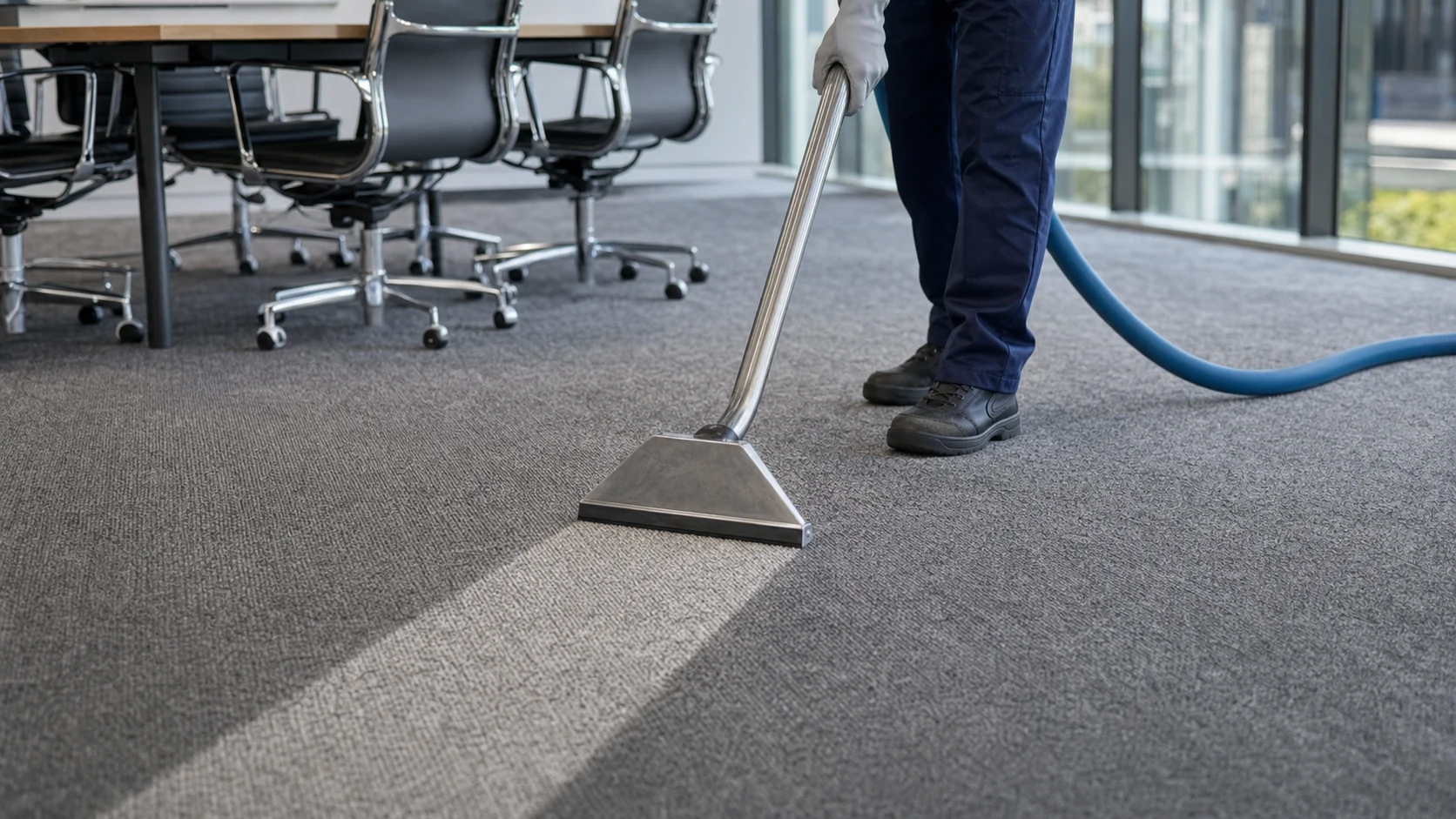
Cushions, floor mats, beanbags, dress-up clothes and fabric storage are all high-contact items in a children's room, and they need laundering or fabric treatment rather than wiping. Laundering belongs to the service, which controls temperature, detergent and drying and knows which items belong to which room. A cleaning provider handling them creates a distribution problem and a delay before the room can be used again.

Rest mats and bedding are the clearest case. They are allocated to individual children, stored separately, and cleaned on a documented cycle that forms part of the service's own health practices. Nothing about that fits into a general cleaning agreement. What a contractor contributes is the floor beneath them, the storage unit faces and the room's ventilation surfaces, all of which support the same outcome.

What environmental cleaning does contribute

The contractor's contribution is the room itself, and it is substantial. Floors cleaned with a suitable product, low-level surfaces reached properly because children use them, tables and chairs, sinks and taps at child height, door handles, light switches, bathroom and nappy change surfaces, and bins emptied and cleaned. Products matter here more than in most settings, since residues and strong fragrances are not appropriate around children.

Reach also matters differently. In an adult workplace the important surfaces sit between waist and shoulder height. In a children's room they are at knee height and below: the underside of tables, chair legs, the base of shelving, skirtings and the floor itself. Naming those surfaces specifically is what turns a generic office task list into a scope that suits the building it is written for.

Children's setting inclusions to define in Kellyville

  • Products confirmed as suitable for a children's environment
  • Low-level surfaces named, including table undersides and shelf bases
  • Nappy change and bathroom surfaces listed with method
  • Toys and dress-up items excluded and left with educators
  • Bedding, rest mats and soft furnishings excluded from the scope
  • Timing agreed so surfaces are dry before children arrive
Clean Best completing scheduled periodic carpet cleaning in Sydney

Working in Kellyville and the North West Sydney

Kellyville in North West Sydney has schools, medical centres, retail and growing commercial hubs, with a large number of early learning services and out-of-school-hours programmes serving a young residential population. Those premises combine indoor rooms, wet areas and covered outdoor space, and they operate to their own regulatory and health requirements that sit alongside rather than inside a cleaning agreement. Keeping the environmental scope clearly separate is what allows a service to demonstrate its own practices. Clean Best services Kellyville from Seven Hills and records product suitability and timing at the walkthrough.

Questions about Kellyville

Do cleaners sanitise the toys?

Not on a standard scope. Toy cleaning depends on knowing what is in rotation, what a child has mouthed and where each item belongs, which educators know and a contractor does not. Timing matters too, since items need to be dry before children arrive. The cycle sits with the service and is recorded in its own practices.

What about rest mats and bedding?

Those are allocated to individual children, stored separately and laundered on a documented cycle that forms part of the service's health practices. A cleaning agreement does not cover them. What the contractor covers is the floor beneath, the storage unit faces and the room surfaces, which support the same outcome from a different direction.

Are the cleaning products suitable around children?

Product suitability is confirmed at the walkthrough and recorded in the scope, because residues and strong fragrances are not appropriate in a room used by young children. That includes what is used on floors, tables and low-level surfaces. Where a service has its own product requirements, those are followed rather than substituted.

Which surfaces matter most in a children's room?

The low ones. Table undersides, chair legs, shelf bases, skirtings, door edges at child height and the floor itself carry far more contact than an adult workplace equivalent. Naming them individually is what turns a generic task list into a scope suited to the room, rather than one written for an office and applied here.

Can the contractor do a deeper clean in the holidays?

Periods when the service is closed are the natural time for tasks that cannot be done around children, such as detailed floor work, high-level dusting and storage areas emptied by staff beforehand. Those are described as separate items with their own scope and price rather than assumed to happen because the building is empty.

Get a fixed written quote for Kellyville

Free walkthrough, scope in writing, price back within 24 hours.

Request a quote
Call nowEmail us