
Dee Why NSW 2099

Footpaths, awnings and external presentation for Dee Why retail

The first surface a customer judges is usually outside the lease. Footpath, entry recess, awning and the glass above them all sit at the edge of a retail scope, and each one raises a different question about equipment, water and who owns the ground.

In short

A standard retail scope in Dee Why typically covers the entry recess, the door and its glass, the mat, litter within the immediate frontage and sweeping the paved area directly outside the shop. That is what can be done with hand equipment during a normal attendance.

Pressure washing the footpath, cleaning awnings, treating gum or oil staining and anything above the awning line are separate items. They need water, equipment and sometimes consent for where the run-off goes. Clean Best names them individually in the fixed written proposal rather than folding them into an external line.

What can be done at the frontage without equipment

Sweeping the paved area immediately outside a shopfront, clearing litter, wiping the door and its glass, cleaning the entry mat and dealing with cobwebs at reach height all fit within an ordinary attendance. These tasks account for most of the visible improvement a frontage gets, and they can be done consistently without water, plant or a road closure. They belong in routine work and should be described by area rather than as tidy outside.

The limit is what one person with hand equipment can achieve. Ground-in soil, gum, oil marks from a delivery vehicle and the grey film that builds up on pavers do not respond to sweeping. Attempting them with a mop and bucket produces a worse result than leaving them, because it spreads the mark. Recognising that limit in the scope prevents a routine visit being blamed for a surface it was never going to change.
Pressure washing and the question of where water goes

A footpath wash needs a water source, a machine, a way to manage pedestrians while it happens, and an answer to where the run-off goes. In a shopping strip the footpath usually drains to the stormwater system, and washing detergent or accumulated grime into it is not automatically permitted. That makes it a planned task with conditions attached, not something added to a routine visit because the pavers look grey.

It also often involves the council, since the footpath itself is usually public land. Some centres arrange strip cleaning as a shared service, which is a better outcome than each tenant washing their own two metres. Where an individual premises wants it done, the proposal should state the area, the method, the water arrangement and any consent required, so the tenant knows what they are agreeing to.

Awnings, signage and the line above the door

Anything above the awning line needs access equipment, which moves it into the same category as high-level work anywhere else. Awning undersides collect dust, cobwebs and insect residue, and awning tops collect leaf litter and, in a coastal centre, salt film. Both are periodic items requiring a ladder or platform, and neither should appear in a routine list where no access equipment is planned.

Signage is a further step again. Illuminated signs, projecting signs and anything mounted on a facade may involve electrical components, height, and in some cases the landlord's consent to work on the building exterior. Cleaning them is possible but it is a described task with an access method, not an assumption. Where the work requires a licensed trade or a platform beyond a cleaning provider's scope, it is referred.

External inclusions for a Dee Why shopfront

  • The frontage area described by size, not as tidy outside
  • Entry mat, door glass and recess in routine work
  • A stated limit on what hand equipment can achieve
  • Pressure washing named with method, water and consent
  • Awning underside and top listed as periodic access work
  • Signage cleaning treated as a described task with access stated
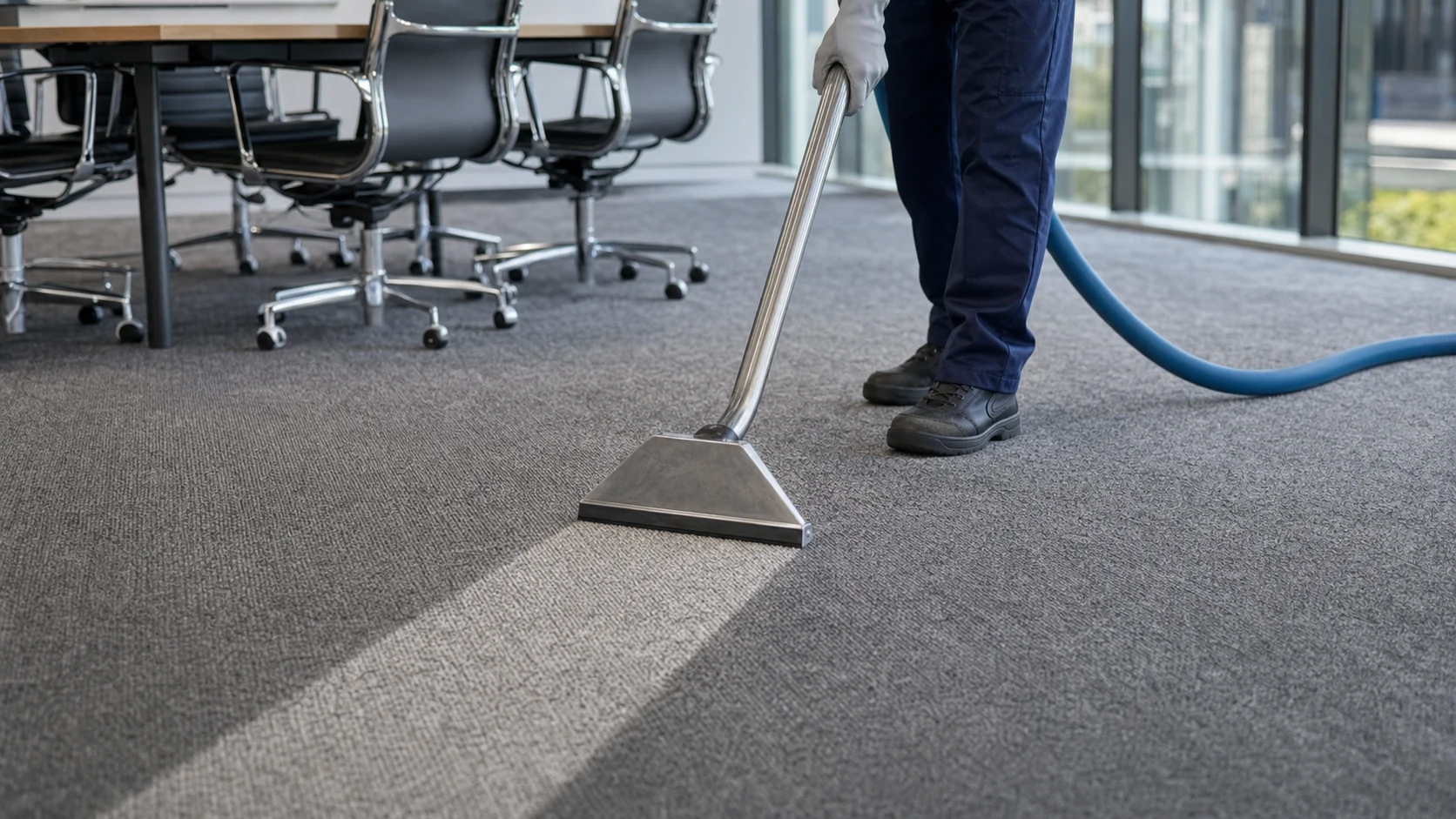
Clean Best completing scheduled periodic carpet cleaning in Sydney

Working in Dee Why and the Northern Beaches

Dee Why on the Northern Beaches carries retail, hospitality, healthcare and mixed-use buildings along a strip where most tenancies open directly onto a public footpath. Sand and salt travel constantly into entries, and outdoor dining in front of food premises adds spilled product to the same pavement. Because the footpath is generally public land rather than leased area, external work involves the council or the centre as well as the tenant. Clean Best services Dee Why from Seven Hills and defines the external boundary in writing before a retail scope begins.

Questions about Dee Why

Is the footpath outside our shop included?

Sweeping the immediate frontage and clearing litter usually is, described by area rather than as a general external tidy. Pressure washing is a separate item, because it needs water, a machine, pedestrian management and an answer about where the run-off goes. The footpath is also normally public land, which brings the council into the decision.

Why can the pavers not be mopped clean?

Because ground-in soil, gum and oil marks do not respond to a mop, and attempting it tends to spread the mark rather than lift it. Those surfaces need pressure and the right chemistry. Stating that limit in the scope means the routine visit is judged on what it can actually deliver rather than on a surface that needs different equipment.

Can the awning be cleaned during a normal visit?

No. Awning undersides and tops sit above safe reach and need a ladder or platform, which makes them periodic access work rather than a routine item. They are worth scheduling, particularly in a coastal centre where salt film and leaf litter accumulate quickly, but they are planned with the access method stated in advance. The access method is recorded so the same approach is used each time.

Who is responsible for gum on the pavement?

Usually the party responsible for the footpath, which is often the council or the centre rather than the individual tenant. Gum removal needs specific equipment and is generally handled as a strip-wide or centre-wide exercise. Where a tenant wants their own frontage done, it can be quoted as a named task with the method described.

Does salt air change what needs doing outside?

It changes the rate rather than the tasks. Glass, metal frames, signage and awnings develop a salt film faster near the coast, so periodic external items tend to need shorter cycles than an inland site. The walkthrough looks at existing condition and the proposal sets a cycle the tenant can review against what they actually see.

Get a fixed written quote for Dee Why

Free walkthrough, scope in writing, price back within 24 hours.

Request a quote
Call nowEmail us