
Rockdale NSW 2216

Mess that appears between visits in a Rockdale shared building

A cleaning agreement describes what happens during an attendance. Everything that occurs in the hours between one visit and the next belongs to somebody else, and in a shared building that somebody is often not obvious. Naming that gap is the first useful step.

In short

A cleaning scope produces a condition at the end of each attendance. It does not maintain that condition through the following day, and it cannot respond to an event that happens at eleven in the morning unless a daytime presence or a call-out arrangement exists.

Where a building needs same-day response, that is an on-request or a rostered daytime item with its own description and price. Clean Best states in the fixed written proposal what the routine attendance delivers and what an interim response would require, so the gap is visible rather than assumed away.

The difference between a standard and a state

A cleaning standard describes the condition achieved at the end of a visit. A building's state at any other moment is a product of use, and no cleaning arrangement controls that. This distinction sounds obvious and is routinely lost, particularly in shared buildings where somebody walking through a lobby at lunchtime forms a judgement about the cleaning based on what other people did that morning.

Recording it in the scope changes the conversation. When a complaint arises about a lobby at midday, the question becomes whether the building has a daytime arrangement rather than whether the night cleaner did their job. In many buildings the honest answer is that no daytime presence exists and none has ever been funded, which is a decision worth making explicitly. It also stops a night team being measured against something outside its control.
What an interim response actually requires

Responding to something during the day means someone attending during the day. That can be a rostered presence for a set period, a call-out arrangement with a defined response basis, or a site person with access to equipment for small incidents. Each has a different cost and a different capability, and none of them is created by adjusting a night scope. Choosing between them is a budget decision rather than a service quality one.

For most shared buildings the practical middle ground is a small daytime presence covering the entry, lobby, shared amenities and any food area, plus a call-out for anything larger. That addresses the areas visitors actually see when they see them. It is described and priced as its own item so the building can weigh it against how often the problem occurs. The building can then review it against how often incidents actually occur.

Attribution in a building with several occupiers

Shared buildings generate mess that nobody owns. Spilled coffee in a lift, food dropped in a corridor, packaging left near a lift lobby, marks on a wall from a delivery trolley. The cleaning provider will address these at the next attendance, and where a pattern is developing it is worth recording, because the record often identifies a cause such as a delivery route or a tenancy without its own bin.

That record is what allows a building manager to act rather than simply increase cleaning. A corridor consistently marked by trolleys needs a wall protection strip or a different route, not more frequent wall washing. Framing the observation as information rather than as a complaint tends to get a faster response from the tenancy involved. It also gives the manager a specific request rather than a general complaint.

Between-visit arrangements for a Rockdale building

  • A written distinction between end-of-visit condition and daytime state
  • Whether any daytime presence exists at all
  • Call-out arrangements described with their own basis
  • Priority areas for any interim attendance
  • Recurring mess patterns recorded with likely causes
  • Physical fixes considered before additional frequency
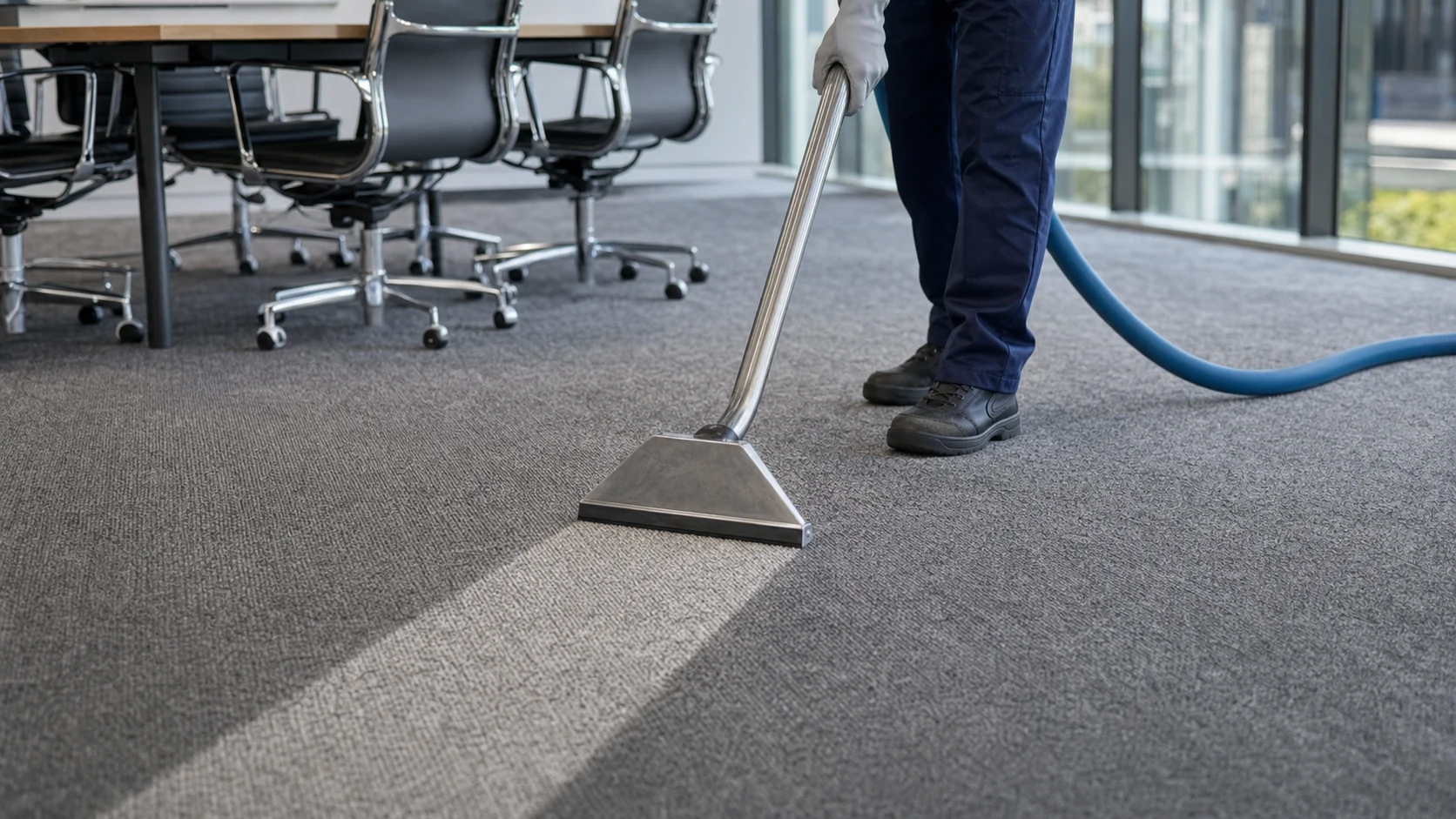
Clean Best completing scheduled periodic carpet cleaning in Sydney

Working in Rockdale and the St George

Rockdale in the St George area carries retail, offices, healthcare and mixed-use commercial buildings, many of them with several small tenancies sharing an entry, a lift and a set of amenities. In buildings of that type nobody owns the shared space during the day, and the visible condition at midday reflects a dozen occupiers rather than the cleaning arrangement. Deliveries through shared corridors add a further source of marks and debris. Clean Best services Rockdale from Seven Hills and states what the routine attendance delivers when the scope is written.

Questions about Rockdale

Why does the lobby look untidy by lunchtime?

Because a cleaning attendance produces a condition at the end of the visit and does not maintain it through the day. What happens between visits is a product of use. If midday condition matters, that requires a daytime presence, which is a separate arrangement with its own description and cost rather than an adjustment to the night scope.

Can the cleaner come back if something is spilled?

Only under a call-out arrangement with a described basis, or where a daytime presence already exists. Neither is created by the routine agreement. Where incidents are frequent enough to matter, describing and pricing a response arrangement lets the building decide whether the cost is justified by how often it happens. The basis is written before it is needed rather than negotiated during an incident.

What is a sensible daytime arrangement for a small building?

Usually a short rostered presence covering the entry, lobby, shared amenities and any food area, plus a call-out for anything larger. Those are the areas visitors see at the time they see them. It is described as its own item so the building can weigh it against the actual frequency of the problem.

Who is responsible for mess in shared corridors?

In practice nobody, which is why it accumulates. The cleaning provider addresses it at the next attendance and records patterns where they develop. That record often identifies a cause, such as a delivery route or a tenancy without adequate bins, which gives the building manager something specific to act on. Physical fixes usually follow from that record.

Should we just increase the cleaning frequency?

Not before checking whether a physical fix would work better. A corridor consistently marked by delivery trolleys needs wall protection or a different route rather than more frequent washing. Additional frequency treats the symptom and recurs indefinitely; addressing the cause usually costs less over a year and produces a better result. The record from the cleaning visits is what identifies which applies.

Get a fixed written quote for Rockdale

Free walkthrough, scope in writing, price back within 24 hours.

Request a quote
Call nowEmail us