
Erskine Park NSW 2759

The excluded zones inside a large Erskine Park logistics facility

A phrase like whole-site cleaning sounds complete and never is. Inside a large Erskine Park facility there are always rooms a cleaning provider should not enter, and the useful version of a scope lists them by name rather than leaving them to be discovered.

In short

Typical excluded zones at a distribution facility include plant and switch rooms, battery charging areas, chemical and dangerous goods stores, sprinkler and pump rooms, comms rooms, confined spaces, roof areas and any zone requiring a permit or specific training to enter. Automation cells and any area behind a machine guard belong on the same list.

None of these are excluded because they are difficult. They are excluded because entry itself carries a control, whether that is electrical risk, gas from charging, incompatible chemicals or an atmosphere requirement. Clean Best lists the zones at the walkthrough and records them in the fixed written proposal as named exclusions.

Rooms where entry is the controlled activity

A switch room, a main distribution board area or a pump room is not dangerous to walk past, but entering it and working there is a different matter. Electrical enclosures, live equipment and automatic systems mean access is normally restricted to people with a specific reason and specific training. A cleaner mopping around a switchboard is introducing water into a space designed to keep it out.

Battery charging areas add hydrogen and acid to the picture. They need ventilation, spill provisions and an understanding of what is happening on the racks. Cleaning them is a task with a method and a permit rather than an ordinary sweep, and on most sites it belongs to the operations team or to the equipment provider. Excluding it by name is more honest than assuming a cleaner will decide to stay out.
Chemical stores and the incompatibility problem

A dangerous goods store holds materials segregated for a reason, with bunding, signage and a manifest. Cleaning inside it means working among containers whose contents a cleaner cannot assess and using products that may be incompatible with what is stored there. It is not a scope item, and the risk is not theoretical: mixing the wrong two substances during a well-intentioned clean is a recognised incident type.

The same caution applies to any decanting area, spill containment or bunded zone. Those are engineered controls, and disturbing them can defeat their purpose. A cleaning provider keeps the approach paths and the outside of the enclosure in reasonable condition and reports anything that looks wrong, which is a genuinely useful contribution without crossing into the space itself. Reporting a damaged bund or a leaking container is often more valuable than any cleaning inside the store would have been.

Writing the exclusion list so it stays current

The exclusion list is not static. Sites add automation, install charging infrastructure, change what they store and reconfigure areas as tenancies change. A list written once and never revisited stops matching the building, and the risk quietly returns. Reviewing the zone list when the scope is reviewed, and after any significant change on site, keeps it useful. A short review conversation is enough, and it costs far less than discovering a gap during an audit.

It is also worth recording who does clean each excluded zone, even though it is not the cleaning provider. That may be the operations team, a specialist contractor or the equipment supplier. Naming them turns an exclusion from a gap into an allocation, which is what a site services manager actually needs when someone asks why a particular room looks the way it does.

Zone exclusions to record at an Erskine Park facility

  • Plant, switch and pump rooms excluded by name
  • Battery charging areas excluded with the reason stated
  • Chemical and dangerous goods stores excluded entirely
  • Comms rooms, confined spaces and roof areas listed
  • Who is responsible for cleaning each excluded zone
  • A review point so the list stays current as the site changes
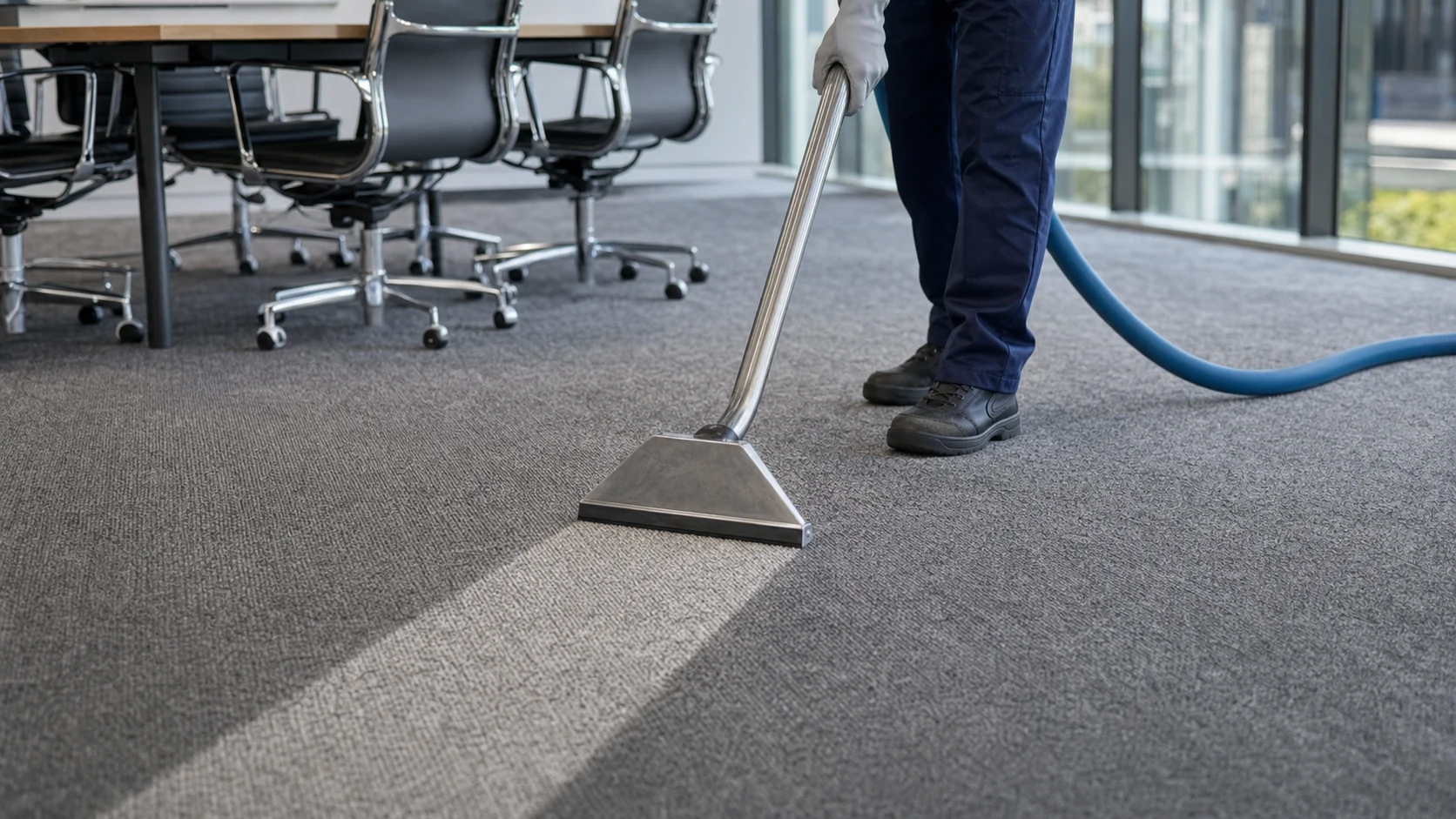
Clean Best completing scheduled periodic carpet cleaning in Sydney

Working in Erskine Park and the Outer Western Sydney

Erskine Park in Outer Western Sydney is built around large logistics, warehousing and distribution facilities, many of them purpose-built estates with substantial plant infrastructure, battery charging bays and dangerous goods storage on the same footprint as the pick and pack operation. Sites of that scale run inductions and permit systems as a matter of course, which makes the zone exclusion conversation a natural extension of the site's own controls. Clean Best services Erskine Park from Seven Hills and completes site induction requirements before any attendance begins.

Questions about Erskine Park

Why is the switch room excluded when it just needs sweeping?

Because entry is the controlled activity, not the sweeping. Electrical enclosures and live equipment mean access is normally limited to people with a specific reason and training, and introducing water or moisture into that space is exactly what its design tries to prevent. The room is named as an exclusion so nobody makes a judgement call about it.

Can the battery charging area be included if we ask?

Not as a routine item. Charging areas involve hydrogen, acid and ventilation requirements, so cleaning there is a task with a defined method and usually a permit. On most sites it belongs to the operations team or the equipment provider. If a site wants a contractor involved, it becomes a separately assessed activity rather than a scope addition.

What about the outside of the dangerous goods store?

Approach paths, the surrounding floor and the outside of the enclosure can be kept in reasonable condition, and anything that looks wrong is reported. What is excluded is entering the store, working among segregated containers and introducing cleaning products whose compatibility with the stored material cannot be assessed. That boundary keeps the store's own controls intact.

Should the exclusion list be reviewed?

Yes, because sites change. New automation, additional charging infrastructure, a different storage profile or a reconfigured area can all create a zone that was not there when the scope was written. Reviewing the list at each scope review and after significant site changes is what keeps it matching the building. It is a short conversation with a disproportionate benefit.

Does an exclusion mean the room never gets cleaned?

No, it means the cleaning provider is not the party doing it. The useful version of an exclusion list also records who is responsible, whether that is the operations team, a specialist contractor or the equipment supplier. That turns a gap into an allocation and gives the site an answer when someone asks about a particular room.

Get a fixed written quote for Erskine Park

Free walkthrough, scope in writing, price back within 24 hours.

Request a quote
Call nowEmail us