
Marrickville NSW 2204

Work in progress and no-touch zones in a Marrickville studio

In a working studio the difference between mess and material is invisible to anyone who did not put it there. A cleaning scope that does not define no-touch zones will eventually remove something that took a week to make. Marking the boundary physically is what makes it survive a shift change.

In short

A studio scope should define zones rather than tasks first. Circulation areas, amenities, the kitchen, the office and the visitor-facing space are cleaned normally. Production benches, drying racks, material stores, set-ups in progress and anything inside a marked zone are not entered. Floors immediately outside a zone remain in scope as usual.

The zone approach works because it can be marked physically and understood immediately. Clean Best records the zones at the walkthrough, notes how they are identified on the floor, and states in the fixed written proposal that nothing inside them is moved, cleaned or discarded.

Zones work better than instructions

An instruction like do not touch the artwork requires a cleaner to identify artwork, and in a studio full of materials, samples and half-finished pieces that judgement is impossible. A marked zone requires no judgement at all. Tape on the floor, a bench with a sign, a bay defined by shelving: any of these communicate the boundary instantly to a new cleaner or a relief team, which is where written instructions usually fail.

It also gives the studio control. A maker who needs a bench protected for two weeks can extend a zone and then remove it, without renegotiating anything. That flexibility matters in a working space where the layout changes with each project, and it keeps the cleaning arrangement stable while the studio itself moves around it. The cleaning arrangement stays stable while the studio itself reorganises around it, which is exactly what a working space needs.
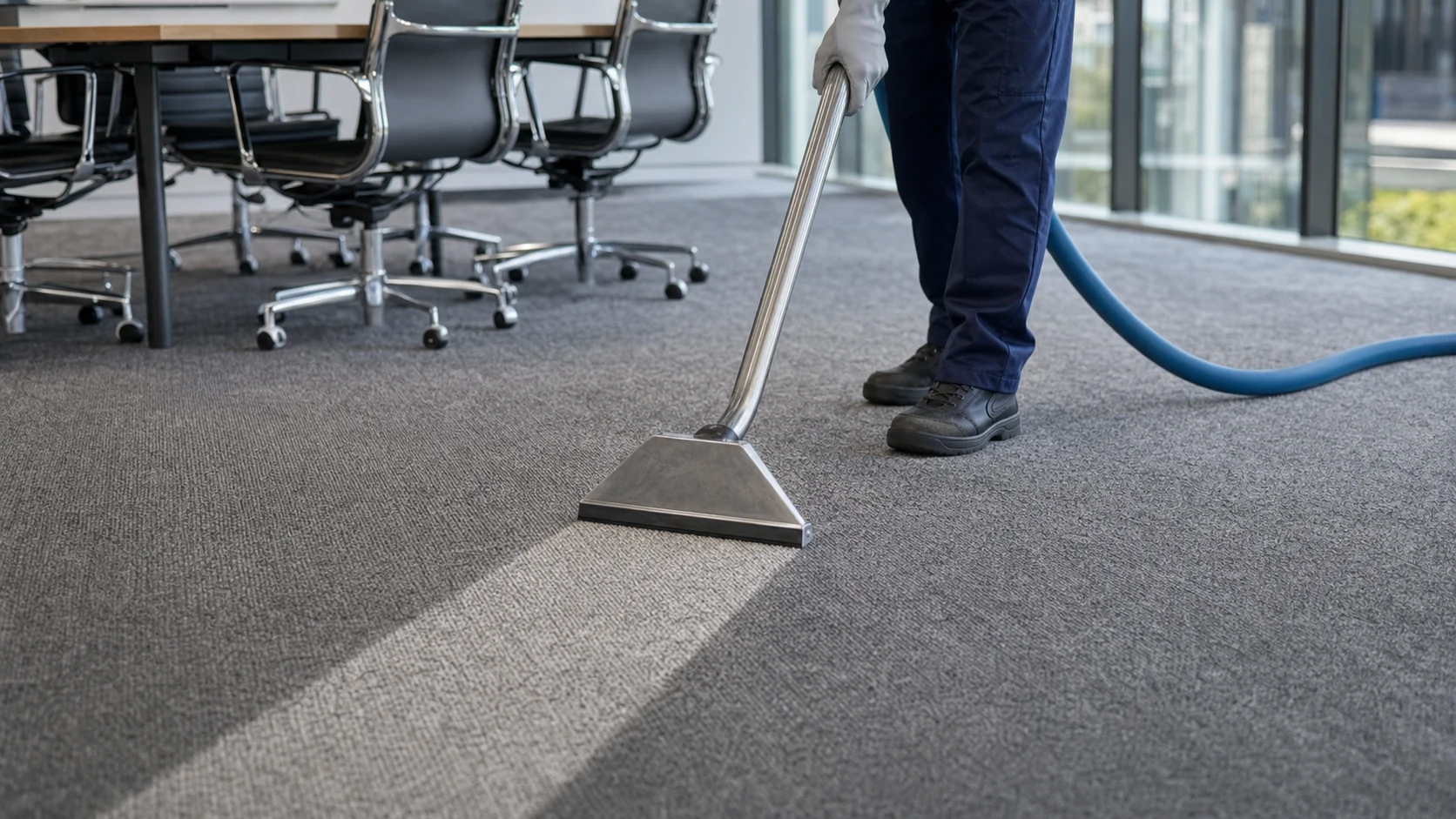
What still gets cleaned properly

Excluding production zones does not leave much undone in the rest of the building. Floors in circulation areas, amenities, the kitchen, meeting and office space, entry glass, waste and touchpoints all remain, and in a studio those areas take heavy use and genuinely benefit from consistent attention. Naming them clearly also stops a cleaner spending time hovering around the edges of the working area.

Dust is the one caveat worth raising. In a space with cutting, sanding or spraying, airborne dust settles everywhere including the areas that are in scope, and a routine clean will not keep up with an active production period. That is not a scope failure, it is a fact about the building, and it is better addressed with an agreed additional attendance after heavy work than by increasing routine effort.

Materials, waste and what a cleaner will not remove

Offcuts, test pieces, failed prints and material scraps are often kept deliberately, so nothing is treated as waste unless it is in a bin. Studios also generate materials that cannot go into general waste at all: solvents, paints, aerosols, chemicals from a process, and sometimes dust that needs specific handling. Those are excluded and remain with the studio under its own disposal arrangements.

Where a studio wants help managing waste properly, the useful step is agreeing labelled bins for streams a cleaner can handle and keeping everything else separate and clearly marked. That way the general waste round works reliably and the regulated material stays where it belongs. It also avoids the situation where a cleaner encounters an unlabelled container and has to decide what it is.

Studio zone rules for a Marrickville premises

  • No-touch zones marked physically on the floor or bench
  • A written rule that nothing inside a zone is moved or cleaned
  • In-scope areas named individually so time is spent there
  • An agreed response to heavy dust from production periods
  • Labelled bins for streams the cleaning team can handle
  • Solvents, paints and process chemicals excluded and left with the studio
Clean Best completing scheduled periodic carpet cleaning in Sydney

Working in Marrickville and the Inner West

Marrickville in the Inner West has creative businesses, food production, retail and light industry, frequently sharing former factory buildings that have been subdivided into studios, workshops and small production spaces. Those buildings put making and administration a few metres apart, with no wall between a finished area and one still in use. Layouts change constantly as projects come and go, which is exactly why a zone-based scope outlasts a task-based one. Clean Best services Marrickville from Seven Hills and records the zone arrangement and how it is marked at the walkthrough.

Questions about Marrickville

How do you stop cleaners disturbing work in progress?

By defining zones rather than relying on instructions. A marked area on the floor or a signed bench communicates the boundary instantly, including to a relief cleaner who has never been in the building. Nothing inside a zone is entered, moved, cleaned or discarded, and that rule is written into the scope in plain terms.

Can zones change as projects change?

Yes, and that is the main advantage of the approach. A studio can extend or remove a zone as work moves without renegotiating the cleaning arrangement. The scope defines how zones work rather than listing specific areas, so the agreement stays stable while the layout underneath it changes with each project. Nothing needs renegotiating when a zone moves.

What happens with dust from cutting or sanding?

A routine clean will not keep up during an active production period, because airborne dust settles everywhere including the in-scope areas. That is a fact about the building rather than a service shortfall. It is better handled with an agreed additional attendance after heavy work than by increasing routine effort that still cannot match the rate.

Will offcuts and test pieces be thrown out?

Not unless they are in a bin. Studios keep material deliberately, and what looks like scrap is often stock or reference. Anything ambiguous is left in place. Waste collection is limited to labelled bins so the round works reliably without anyone having to judge the value of a piece of material. Anything unusual is reported instead, so the studio makes the call.

Can the cleaner take our paint and solvent waste?

No. Solvents, paints, aerosols and process chemicals are excluded and remain with the studio under its own disposal arrangements. Putting them into general waste would transfer a compliance problem to the building owner. The workable approach is clearly separated, labelled containers so nobody has to identify an unlabelled item. That also keeps the studio's own disposal records accurate.

Get a fixed written quote for Marrickville

Free walkthrough, scope in writing, price back within 24 hours.

Request a quote
Call nowEmail us