
Silverwater NSW 2128

Chemicals and methods a cleaner should decline at a Silverwater site

Occasionally a client supplies a product or asks for a method that should not be used. Declining it is part of a competent service, and a scope that explains why in advance turns an awkward moment into a straightforward one.

In short

A cleaning provider should decline to use an unlabelled or decanted product, to mix chemicals, to use a product without a safety data sheet, to apply a substance to a surface it is not rated for, or to use a method that damages a finish or creates an airborne hazard.

The response is not simply refusal. Clean Best identifies what the client is actually trying to achieve, proposes a compatible product or method, and records the outcome in the fixed written proposal so the same request does not recur with a different answer. That record travels with the site file.

The requests that should always be declined

An unlabelled container is the clearest case. Without a label there is no safety data sheet, no dilution guidance and no way to know what the product is compatible with. Decanted product in an unmarked bottle is the same problem wearing a different shape. Mixing two products is another absolute: several common combinations produce chlorine gas or an exothermic reaction, and neither is survivable as a learning experience.

Using a product on a surface it is not rated for is the third. Acid on polished concrete, chlorine on stainless steel, solvent on a coated panel and strong alkali on aluminium all cause damage that is permanent and often not immediately visible. A client asking for it usually does not know, which is why the answer should include an explanation rather than a flat no.
Methods that create a hazard rather than remove one

Some techniques are wrong regardless of the product. Dry sweeping a fine combustible or respirable dust puts it into the air, which is worse than leaving it, and the correct approach is a suitable vacuum or a wet method depending on the material. Pressure washing a surface that drains to stormwater moves a problem rather than solving it. Using water near live electrical equipment is obvious and still happens.

Working at height without proper access belongs in the same category. A cleaner asked to reach something from a chair, a pallet or a stack of stock should decline every time, and the request should never be made. Where a site's own staff routinely improvise access, a contractor holding a firm line is doing the site a favour rather than being difficult. Where a site's own culture has drifted toward improvisation, a contractor holding the line consistently often prompts a wider review of how access is managed.

Turning a decline into a solution

A refusal on its own leaves the client with the original problem. The useful response identifies the objective: a stain that will not shift, an odour, a surface that looks wrong, a residue that keeps returning. Once the objective is clear, there is usually a compatible product or a different approach, and occasionally the honest answer is that the surface needs a specialist or a repair rather than a cleaning solution.

Recording the outcome matters because these requests recur. A note in the scope saying which product is used on a particular surface, and which are excluded, means a relief cleaner or a new site contact does not restart the conversation from the beginning. It also protects the site from a well-meant substitution that damages an expensive finish. It is one of the cheapest protections available in a written scope.

Product and method rules at a Silverwater site

  • No unlabelled or decanted product used under any circumstance
  • No mixing of products, without exception
  • A safety data sheet available for everything in use
  • Product compatibility checked against the surface
  • Dry sweeping avoided for combustible or respirable dust
  • The agreed product recorded against each sensitive surface
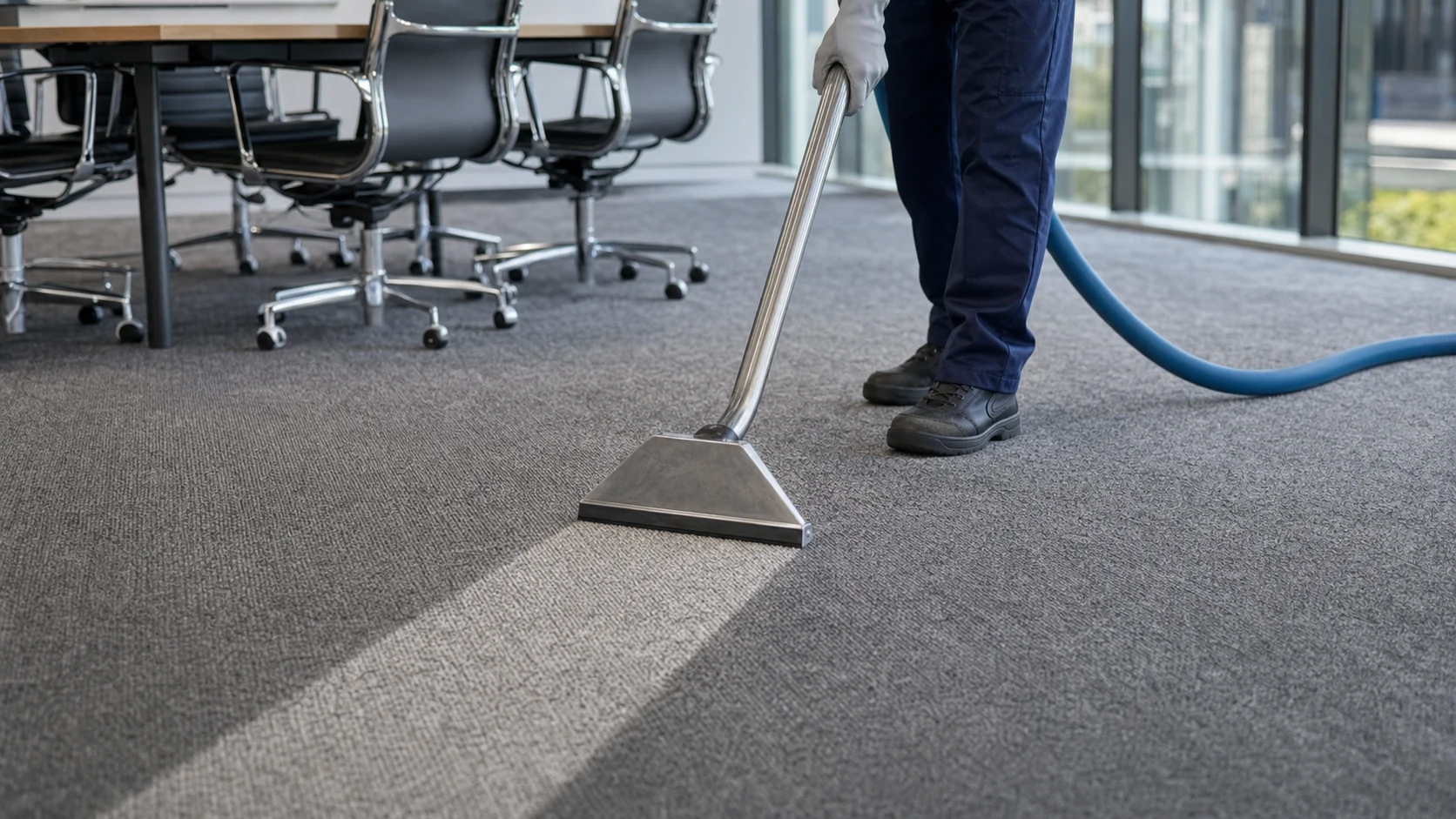
Clean Best completing scheduled periodic carpet cleaning in Sydney

Working in Silverwater and the Central West

Silverwater in the Central West is dominated by industrial estates, manufacturing, warehousing and distribution, with sites that hold a wide range of chemicals for their own processes and often have product decanted into working containers. That environment makes unlabelled substances a realistic risk rather than a theoretical one, and it also means the surfaces present can be unusual, from coated plant to specialised flooring. Clean Best services Silverwater from Seven Hills and records product decisions against surfaces at the walkthrough.

Questions about Silverwater

Why will a cleaner not use our own product?

They will, if it is properly labelled, has an available safety data sheet and is rated for the surface. What is declined is an unlabelled or decanted container, because there is no way to know what it is, how to dilute it or what it is compatible with. That rule applies regardless of who supplies it.

Is mixing two cleaners ever acceptable?

No, without exception. Several common combinations produce chlorine gas or a strong exothermic reaction, and the person mixing them is standing over it. The rule is absolute rather than a matter of judgement, and it applies even where someone believes they know the products involved. A cleaner who declines is applying a control the site would apply to its own staff, not being obstructive.

What if a stain will not come off with the approved product?

The response is to identify the objective and find a compatible alternative rather than escalating to something the surface is not rated for. Sometimes the honest answer is that the mark needs a specialist treatment or a repair. Escalating product strength against an unsuitable surface causes permanent damage that is often not visible immediately.

Why is dry sweeping sometimes refused?

Because with a fine combustible or respirable dust, sweeping puts the material into the air, which is worse than leaving it in place. The correct approach is a suitable vacuum or a wet method depending on the material. That decision is made against the substance rather than against how the floor looks.

How is a declined request recorded?

In the scope, alongside the product that is used on that surface. These requests recur, particularly when a site contact or a cleaner changes, and a written note means the conversation does not restart from the beginning each time. It also protects an expensive finish from a well-meant substitution. The note sits beside the task rather than in a separate document.

Get a fixed written quote for Silverwater

Free walkthrough, scope in writing, price back within 24 hours.

Request a quote
Call nowEmail us