
Ryde NSW 2112

Walls, marks and scuffs in a Ryde office or healthcare premises

Walls are the largest surface in any building and the least often specified. Whether a mark comes off depends almost entirely on the paint finish, and a scope that ignores that will promise something the wall cannot deliver. Recording the finish is the first step.

In short

A standard scope can include spot removal of marks at hand height where the paint finish tolerates it, dusting walls within reach, cleaning around light switches and door frames, and full washing of hard-wearing surfaces such as tiled or vinyl-clad walls. Skirtings and door frames are named individually because they mark faster than the wall above them.

Full wall washing on painted plasterboard is periodic work, and on some finishes it is not advisable at all. Clean Best records the finish type at the walkthrough and states in the fixed written proposal which walls can be washed, which can be spotted and which need painting instead.

The finish decides what is possible

Washable low-sheen and semi-gloss paints tolerate spot cleaning and, with care, a light wash. Flat and matt finishes do not: rubbing a mark burnishes the surface into a shinier patch, and repeated attempts create a visible halo that is more noticeable than the original mark. Some ceiling paints and older water-based finishes will simply lift when wetted, taking the colour with them.

This is why the scope should record the finish rather than the room. A meeting room and a corridor might have the same paint or completely different ones, and the same instruction produces a good result in one and damage in the other. A short note at the walkthrough about which finishes are present is enough to prevent that entirely. It costs nothing at the walkthrough and prevents a permanent mark on a surface that was otherwise fine.
Where marks actually appear

Wall marking is highly concentrated. Chair backs against a wall in a waiting room, trolley and equipment lines in corridors, the area around light switches, door edges and the strike side of door frames, skirtings, and shoulder height along circulation routes. Cleaning the whole wall to address marks in those specific bands is inefficient; targeting them is what actually improves how a corridor looks.

In healthcare and education settings the pattern is even sharper because equipment moves along the same route repeatedly. A corridor with trolley marks at a consistent height is telling you something about the traffic, not about the cleaning. Physical protection, such as a rail or a bumper strip, resolves it permanently where repeated cleaning does not. The cleaning report identifying the height and the route is what makes that fix possible, because it turns a general complaint into a specific measurement somebody can act on.

When painting is the honest answer

There is a point where a wall has enough accumulated marking, burnishing and touch-up patching that cleaning cannot improve it. Recognising that point is more useful than another attempt. Painting is also cheap relative to repeated cleaning of the same corridor over years, and it resets the surface so spot cleaning works again afterwards. It is also faster: two hours with a brush achieves what months of spot cleaning cannot, and the improvement is immediate rather than incremental.

The useful contribution from a cleaning provider is identifying which walls are in that condition and saying so plainly. That turns a recurring complaint into a maintenance item with a cost attached. It also stops a cleaning team being asked repeatedly to fix something that a brush and two hours would resolve permanently. It also gives the site a costed maintenance item rather than an ongoing source of dissatisfaction with the cleaning.

Wall cleaning items to define in Ryde

  • Paint finishes recorded by area at the walkthrough
  • Spot removal limited to finishes that tolerate it
  • Flat and matt surfaces identified as spot-clean risks
  • Tiled and clad walls named as washable
  • Marking bands targeted rather than whole walls washed
  • Walls needing painting identified and reported as maintenance
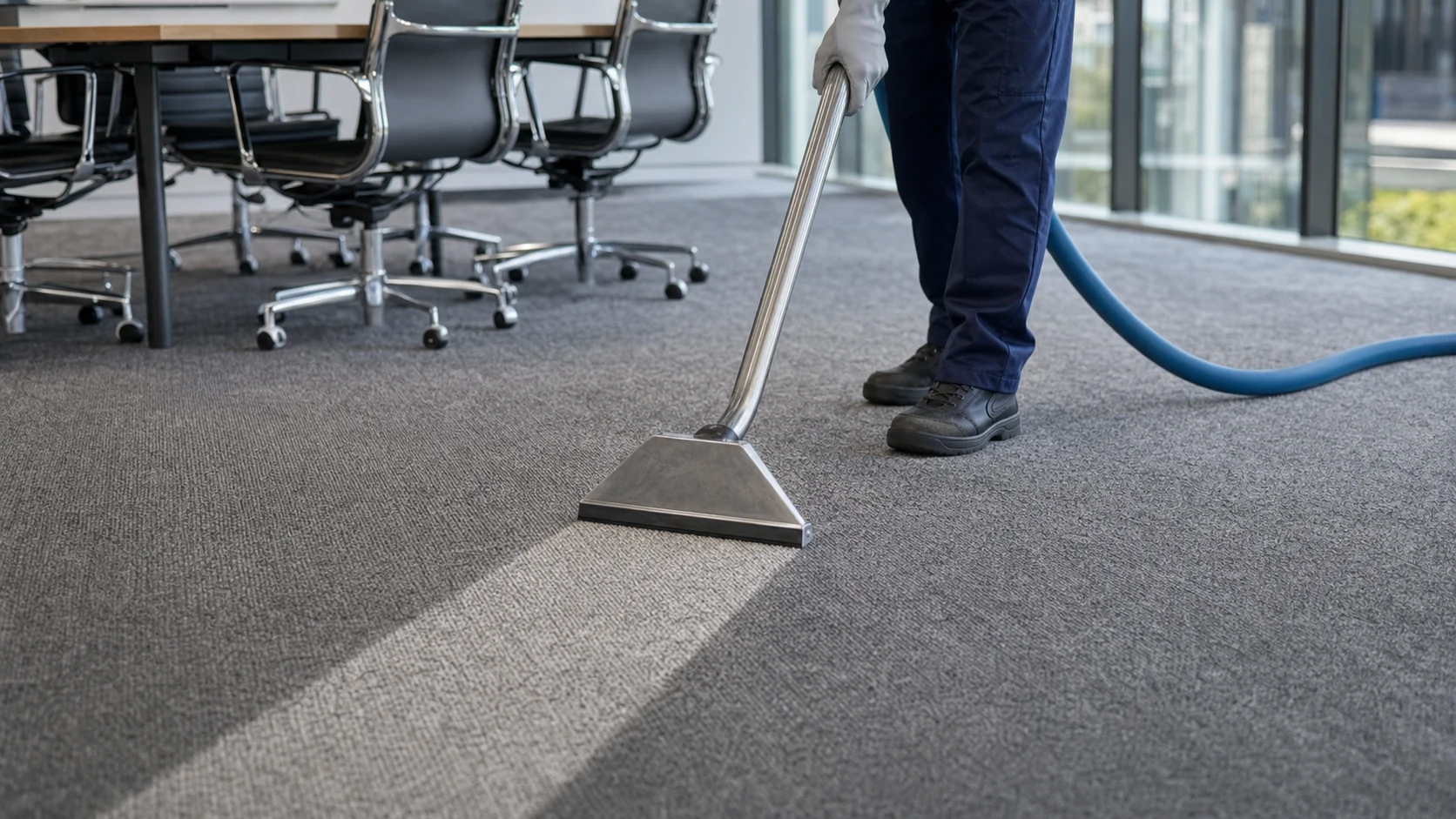
Clean Best completing scheduled periodic carpet cleaning in Sydney

Working in Ryde and the Northern Sydney

Ryde in Northern Sydney combines retail, healthcare, offices and mixed-use properties, with a substantial amount of consulting, allied health and professional space in buildings fitted out over several decades. Paint finishes in those premises vary from room to room and often from one refurbishment to the next, which is exactly the condition where a single wall cleaning instruction goes wrong. Corridors used for equipment movement also show concentrated marking. Clean Best services Ryde from Seven Hills and records finish types when the scope is written.

Questions about Ryde

Why do wall marks sometimes look worse after cleaning?

Because flat and matt paints burnish when rubbed, creating a shinier patch around the mark that is more noticeable than the mark itself. Some older water-based finishes also lift when wetted. That is why the paint finish is recorded at the walkthrough rather than a single wall cleaning instruction being applied everywhere.

Can our walls be washed properly?

Tiled, vinyl-clad and hard-wearing surfaces can. Washable low-sheen and semi-gloss paints tolerate a light wash with care, as periodic rather than routine work. Flat and matt finishes generally should not be washed at all. The scope records which category each area falls into so the method matches the surface. The finish rather than the room determines the answer.

Where should wall cleaning effort go?

Into the bands where marking actually occurs: chair-back height in waiting areas, trolley lines in corridors, around light switches, door edges and strike sides, and skirtings. Washing whole walls to address marks in specific bands is inefficient. Targeting them is what visibly improves a corridor for the same amount of time. Those bands are named in the scope by height and location.

What about repeated trolley marks in a corridor?

That is a traffic pattern rather than a cleaning issue, and repeated cleaning will not stop it recurring. A protection rail or bumper strip at the marking height resolves it permanently. The cleaning report identifying the pattern and its height is what gives the site the information to make that decision. It usually pays for itself within a year.

When should we just repaint?

When accumulated marking, burnishing and touch-up patching have reached a point where cleaning cannot improve the surface. Painting is inexpensive relative to years of repeated cleaning of the same corridor, and it resets the wall so spot cleaning works again afterwards. Identifying those walls is a useful part of the cleaning report.

Get a fixed written quote for Ryde

Free walkthrough, scope in writing, price back within 24 hours.

Request a quote
Call nowEmail us