
Seven Hills NSW 2147

How the inclusion and exclusion list is built at a Seven Hills walkthrough

The inclusion list is not written at a desk. It comes from walking a building and asking the same handful of questions in every room, and the answers produce both what is covered and what is deliberately not. Both halves come out of the same walk.

In short

The walkthrough works room by room. In each space the questions are: what surfaces are here, which of them degrade between visits, which need a specific method, which cannot be reached safely, which belong to somebody else, and which hold property nobody should be moving.

Those six questions generate the inclusion list, the periodic list and the exclusion list at the same time. Clean Best turns the result into a fixed written proposal, which then governs the service rather than a conversation somebody half remembers. Anything unresolved on the day is noted and settled before the proposal is issued.

Six questions in every room

The first is inventory: what is actually here, including the surfaces nobody thinks about such as skirtings, frames, switch plates and the tops of joinery. The second is decay rate, which sorts routine from periodic. The third is method, covering any surface where the wrong product or too much moisture causes damage. Those three build the positive side of the list. Most scopes fail on the first question rather than the others.

The next three build the exclusions. Reach identifies anything needing a ladder or platform. Ownership identifies surfaces covered by a base building arrangement, another contractor or the occupier's own staff. Property identifies items that will be cleaned around rather than moved. Asking all six consistently is what produces a scope that matches the building rather than a template. It also means the resulting document is shorter and more specific than a standard task list would be.
Why the exclusions are written as positively as the inclusions

An exclusion that just says not included leaves a gap. An exclusion that says who does own the task turns it into an allocation. The comms room maintained by the technology team, the facade by the building, the equipment by its service contractor, the toys by educators, the secure bins by the destruction provider. Written that way, the list becomes a map of the whole building rather than a boundary around one service.

That is genuinely more useful to the person managing the site. It answers the question they will actually be asked, which is not what the cleaner does but why a particular room looks the way it does. It also prevents the same items being rediscovered at every review, because the reasoning sits alongside the decision. It is also what allows a new manager on either side to understand the arrangement without a briefing.

What the walkthrough also produces

Two other outputs come out of the same walk. The first is a condition note recording surfaces that are worn rather than dirty, which sets a realistic expectation and often becomes the site's maintenance list. The second is an access list covering keys, alarm codes, restricted rooms, induction requirements and the hours work can occur, which is what determines whether the scope can be delivered at all.

Neither is glamorous and both prevent a large share of the problems that appear in the first three months. A scope written without them tends to be optimistic about coverage and silent about condition, which is exactly the combination that produces disappointment on both sides by the second invoice. Both are written down at the same time as the task list, because separating them tends to mean one of them is never produced at all.

The six walkthrough questions for any premises

  • What surfaces are present, including the ones nobody lists
  • Which degrade between visits and belong in routine work
  • Which need a specific product, method or moisture limit
  • Which cannot be reached without a ladder or platform
  • Which are covered by another provider or the occupier
  • Which hold property that will be cleaned around, not moved
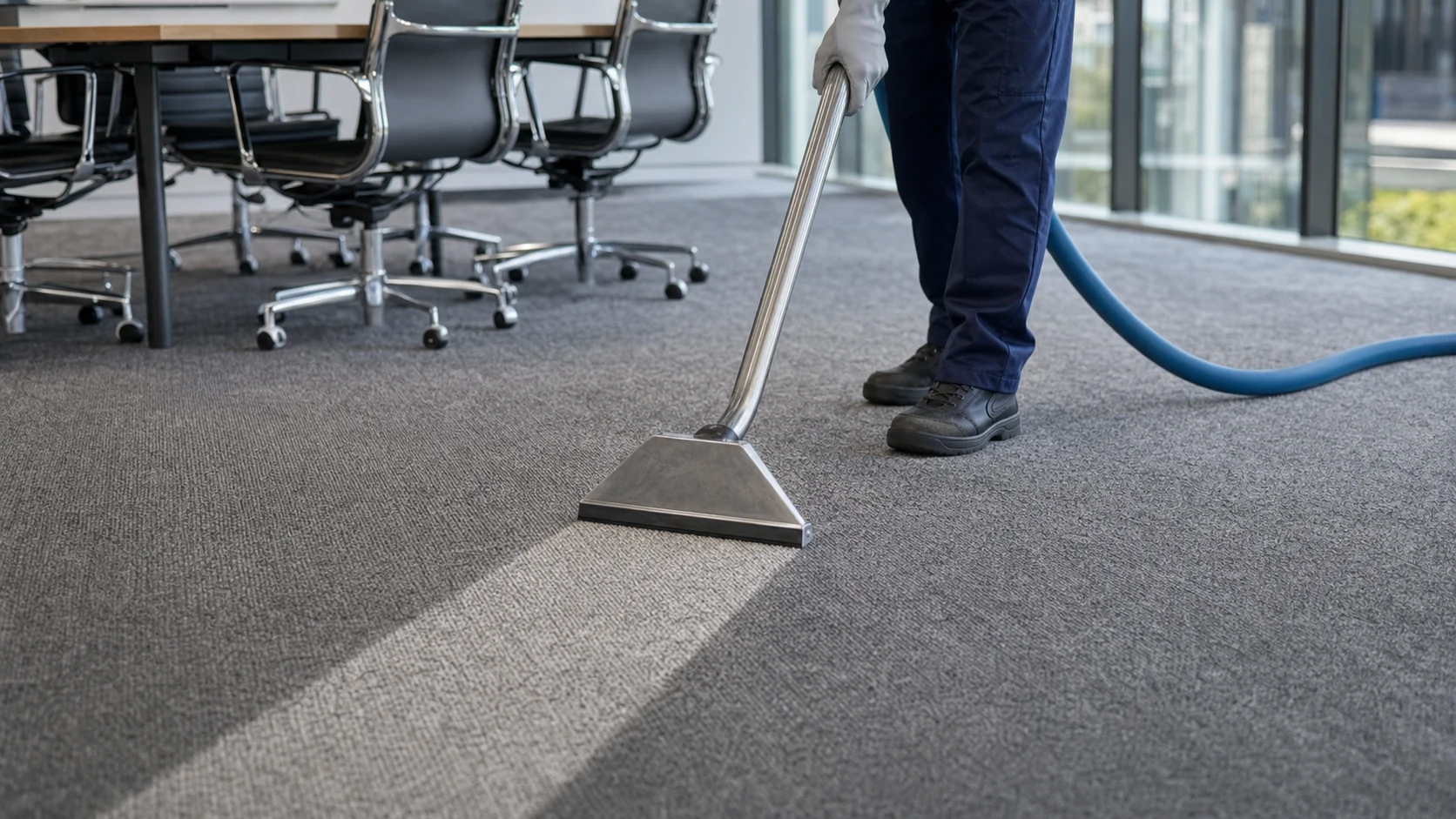
Clean Best completing scheduled periodic carpet cleaning in Sydney

Working in Seven Hills and the Western Sydney

Clean Best is based at 54 Columbia Rd, Seven Hills, so the premises described on this page sit among the same industrial estates, warehouse frontages and suburban offices the company works in daily. Premises in the area span small trade units, larger warehouses and office suites, which means the same six walkthrough questions produce very different lists depending on the building. Being local to the depot does not change the process; every site anywhere in the network is scoped the same way, from a walk rather than from a plan. Clean Best services Seven Hills and the surrounding suburbs from that address.

Questions about Seven Hills

What actually happens at a walkthrough?

Each room is looked at against six questions: what surfaces exist, which degrade between visits, which need a specific method, which cannot be reached safely, which belong to another provider, and which hold property that should not be moved. The answers generate the routine list, the periodic list and the exclusions together.

Why not just work from a floor plan?

Because a plan shows rooms and not surfaces, and it says nothing about condition, finish, access or who else is working in the building. Most of what determines whether a scope is deliverable is invisible on a drawing. The template scopes that cause problems are almost always the ones written without a walk.

Why do exclusions name another provider?

Because an exclusion that only says not included leaves a gap, while one that names the responsible party turns it into an allocation. That answers the question a site manager will actually be asked, which is why a particular room looks the way it does rather than what the cleaner does. It also stops the same item being rediscovered at every review.

What else comes out of the walkthrough?

A condition note recording surfaces that are worn rather than dirty, which sets realistic expectations and often becomes the site's maintenance list. And an access list covering keys, codes, restricted rooms, inductions and the hours work can occur, which determines whether the scope can be delivered at all. Both are produced at the same time as the task list.

Does being based in Seven Hills change the service elsewhere?

The process is the same wherever the premises is. Clean Best works from 54 Columbia Rd, Seven Hills and services suburbs across Sydney from there, so travel and attendance times are agreed openly when the schedule is set rather than assumed. Every site is scoped from a walkthrough rather than from a plan.

Get a fixed written quote for Seven Hills

Free walkthrough, scope in writing, price back within 24 hours.

Request a quote
Call nowEmail us