
St Leonards NSW 2065

Work excluded because it needs a licence in St Leonards buildings

Some exclusions exist because a task is expensive or awkward. A smaller and more important group exists because the work requires a licence, and no commercial arrangement can substitute for one. Those exclusions do not move for any commercial reason, and a scope should say so plainly rather than leaving room for a negotiation.

In short

Licensed or specialist work excluded from a cleaning scope includes electrical work, plumbing, glazing, gas fitting, pest control, asbestos handling, mould remediation, kitchen exhaust certification, sanitary waste collection, confined space entry and work at height requiring an elevated platform. Fire services and lift equipment belong on the same list.

None of these becomes available by agreement, additional payment or urgency. Clean Best names them in the fixed written proposal and refers each to a provider holding the relevant licence, so the site knows the task has an owner rather than a gap. The referral is recorded alongside the exclusion.

Why a licence is not a formality

A licence records that a person has demonstrated competence in a discipline and is accountable under a regulatory framework, usually with insurance attached to that specific work. When a task goes wrong, the licensing framework is what determines liability and what protects the building owner. A contractor performing licensed work without holding the licence removes that protection entirely, and it usually voids their own insurance for the claim.

That is why the exclusion holds even when the task looks trivial. Replacing a globe, resealing a basin, clearing a drain, treating mould on a wall or removing a pane of broken glass all fall under a licensed discipline somewhere, and none of them is safer because it is small. The building owner has more to lose from an unlicensed fix than from a short delay. Delay is inconvenient; an unlicensed repair that fails later is considerably worse.
The overlap points that cause confusion

Several tasks sit close enough to cleaning to invite the question. Cleaning a light diffuser is cleaning; removing it is electrical. Wiping around a basin is cleaning; resealing the junction is a trade. Cleaning a shower is cleaning; treating mould growing through the substrate is remediation. Wiping a canopy exterior is cleaning; certifying an exhaust system is a specialist service. Each pair looks similar from a distance and sits on opposite sides of a licensing boundary.

Naming those pairs explicitly in a scope is the most useful thing a provider can do about them, because it answers the question before it is asked. A building manager reading that list understands immediately where the boundary sits and can arrange the other half properly, rather than discovering the limit when a task is already urgent. It also removes the impression that the limit was invented on the spot.

What a good referral looks like

An exclusion is more useful with a destination attached. Naming the type of provider required, and where possible the existing contractor the building already uses, converts a refusal into a next step. In a healthcare or high-rise setting many of those contractors are already engaged for maintenance, so the referral is often just a matter of pointing at the right existing arrangement.

The cleaning provider's contribution beyond the referral is observation. A dated report describing what was seen, where, and how it presents gives the licensed contractor a head start and gives the building a record. In practice that report is often the thing that gets a task scheduled, because it turns an anecdote into something with a location and a date. A verbal mention rarely achieves the same result.

Licensed work boundaries in a St Leonards building

  • Licensed disciplines listed by name in the scope
  • A statement that these are not available by agreement or urgency
  • The overlap pairs written out explicitly
  • A named provider type for each referral
  • Existing building contractors identified where they apply
  • Dated observation reports supporting each referral
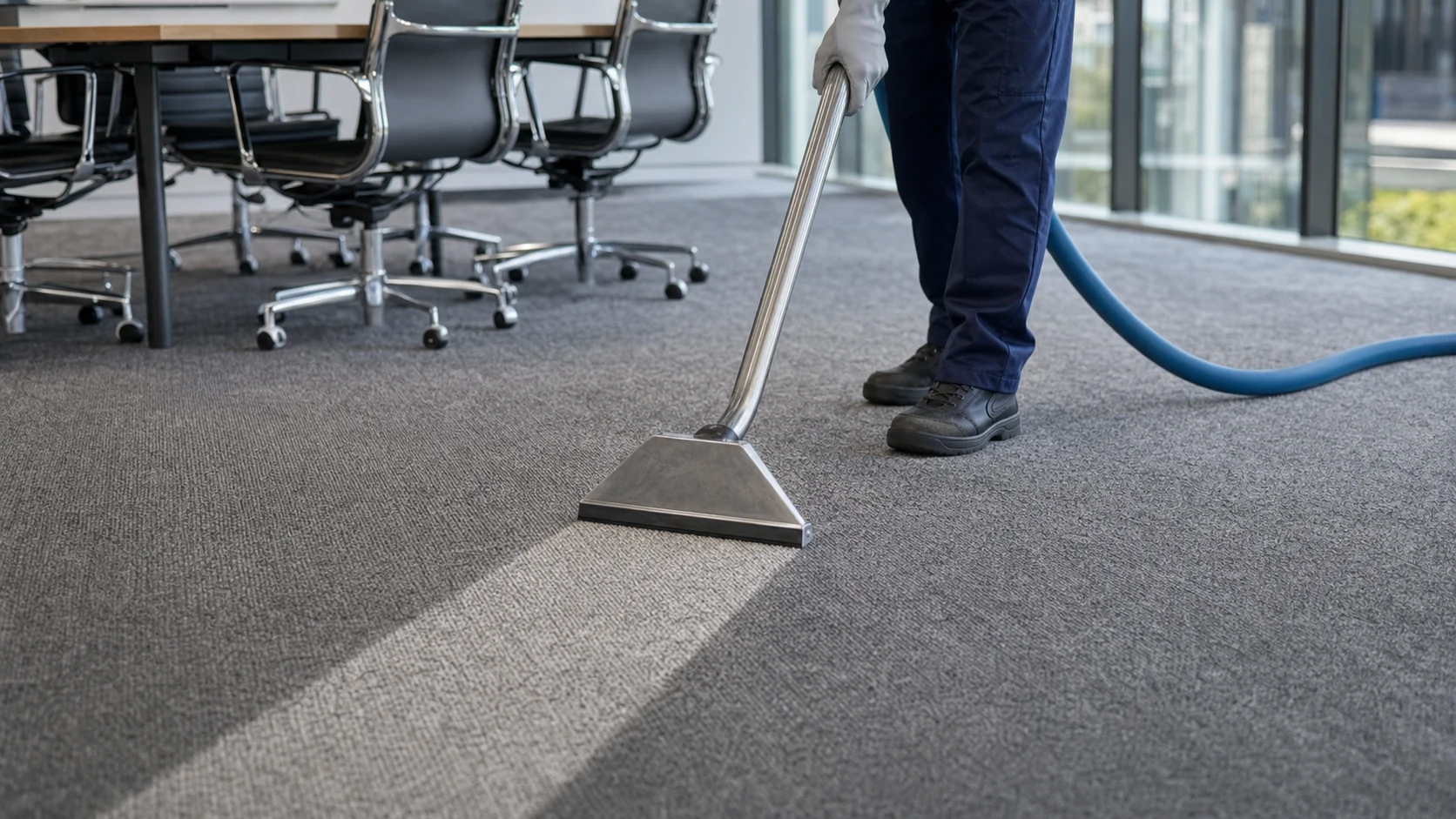
Clean Best completing scheduled periodic carpet cleaning in Sydney

Working in St Leonards and the Lower North Shore

St Leonards on the Lower North Shore combines healthcare, corporate offices and high-rise commercial buildings, many of them with medical and consulting tenancies sitting inside standard commercial towers. Buildings of that type already carry a full set of licensed maintenance contractors for electrical, mechanical, plumbing and fire services, which makes referrals straightforward once the boundary is written down. Clinical tenancies also add specialist waste and hygiene providers to the same building. Clean Best services St Leonards from Seven Hills and names the licensed exclusions when the scope is written.

Questions about St Leonards

Can these tasks be added if we pay extra?

No. A licence records demonstrated competence within a regulatory framework, usually with insurance tied to that specific work. Payment does not create one, and performing licensed work without it removes the protection the building owner relies on while voiding the contractor's own cover. The exclusion is not commercial and does not move.

Which tasks sit closest to the boundary?

Cleaning a light diffuser versus removing it, wiping around a basin versus resealing the junction, cleaning a shower versus treating mould in the substrate, and wiping a canopy exterior versus certifying an exhaust system. Naming those pairs in the scope answers the question before anyone has to ask it. They are the pairs most often disputed on site.

Does a small job change the answer?

No. Replacing a globe, clearing a drain or removing a broken pane are all small tasks within licensed disciplines, and none is safer because it is quick. The building owner has considerably more to lose from an unlicensed fix than from waiting for the appropriate contractor to attend. Urgency does not change the licensing position either.

What does the cleaning provider do instead?

Refers the work to the right type of provider, and where the building already engages one, points at that existing arrangement. It also supplies a dated report describing what was seen and where. In practice that report is often what gets the task scheduled, because it turns an anecdote into something specific.

How do we make sure nothing falls through?

By recording a destination against every exclusion rather than just the exclusion itself. A list of licensed tasks with the responsible provider beside each one is a map of the building's obligations. Reviewing it when contractors change keeps it accurate as arrangements move over time. The list is reviewed whenever the building's contractors change.

Get a fixed written quote for St Leonards

Free walkthrough, scope in writing, price back within 24 hours.

Request a quote
Call nowEmail us