
Sydney NSW 2000

The four inclusion categories every Sydney CBD scope should use

Almost every disagreement about cleaning comes from a task sitting in the wrong category or in none at all. Four categories cover everything, and sorting a scope into them is the single most useful thing a facility manager can do to it.

In short

Routine covers what happens every attendance without being asked. Periodic covers planned work on a stated cycle. On request covers real work that exists in the agreement and happens when the site asks. Excluded covers what the provider will not do, with a referral attached.

Every task in a building belongs in exactly one of those four. Clean Best sorts the scope that way in the fixed written proposal, because a task with no category is a task both parties will read differently at exactly the moment it matters. The sorting exercise usually takes an hour.

Sorting by decay rate, not by importance

The test for routine is whether skipping it once produces a visible or hygienic problem. Amenities, waste, circulation floors, kitchen surfaces and touchpoints qualify because ordinary use degrades them between every visit. Important tasks that decay slowly do not belong there, because putting them in routine dilutes the visit without improving the building. A routine list that fits the visit is also the only one a client can meaningfully inspect, because everything on it should be complete every time.

Periodic is for the slow-decay items: carpet extraction, hard-floor maintenance, high-level dusting, detailed glass, vent faces, upholstery and wall detail. Each needs a stated cycle rather than a mention, because a periodic item without a date is functionally an excluded one that nobody has admitted to excluding. The cycle also gives the site something to schedule around, which matters in a tower where a floor has to be quiet for the work to happen at all.
The category most scopes are missing

On request is the category that prevents drift. It holds work the provider can genuinely do but which happens only when the site asks: an extra attendance after an event, a storeroom clean, an appliance interior, a spill response outside normal hours, a room reset before an inspection. Naming those with a basis for pricing means a request has an obvious answer rather than becoming a negotiation.

Without it, requests are either refused unnecessarily or absorbed quietly into routine visits until the routine list stops being achievable. In a CBD tenancy where several people can make a request, the absence of this category is the most common way a scope stops describing what actually happens on the floor. Naming the authorised requesters at the same time keeps the total visible to whoever holds the budget.

Excluded is a category, not a silence

The fourth category is the one this whole approach depends on. An exclusion should be written positively, naming the task, the reason and the provider who does hold it. Facade access, licensed trades, regulated waste, machine interiors, tenant property, base-building surfaces and anything requiring an unavailable permit all belong there with a destination attached. An exclusion with no destination is only half an answer, and it tends to reappear as a complaint later.

Written that way, the scope stops being a list of what a cleaner does and becomes a map of who does what in the building. That is more useful to a facility manager than any amount of detail about the routine list, because it answers the question that actually gets asked when a surface looks wrong. It also survives a change of manager on either side, which a shared understanding never does.

Sorting a Sydney CBD scope into four categories

  • Routine tested by whether skipping once causes a visible problem
  • Periodic items each given a stated cycle
  • On request named with a basis for pricing
  • Authorised requesters identified at the site
  • Exclusions written with a reason and a referral
  • Every task in the building assigned to exactly one category
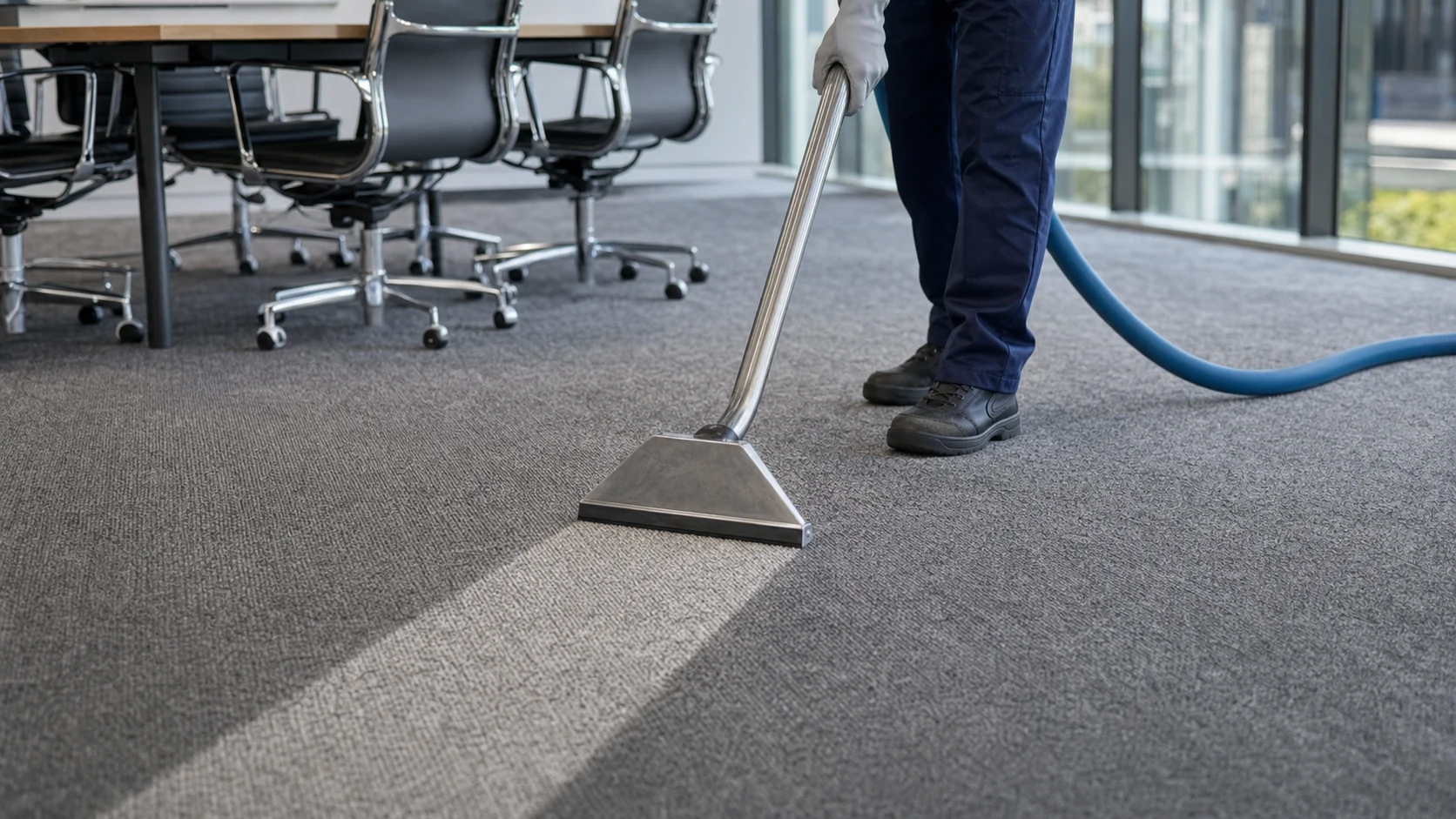
Clean Best completing scheduled periodic carpet cleaning in Sydney

Working in Sydney and the Sydney CBD

Sydney's CBD is offices, retail, hospitality and high-rise commercial buildings, where tenancy scopes, base-building arrangements and specialist contractors all operate in the same structure. That density of overlapping agreements is exactly the condition in which an uncategorised task disappears between providers. Large floor plates and multiple authorised contacts also make the on-request category more necessary than in a small tenancy. Clean Best services the Sydney CBD from Seven Hills and sorts the written proposal into the four categories.

Questions about Sydney

How do I decide what belongs in routine?

Ask whether skipping it once produces a visible or hygienic problem. Amenities, waste, circulation floors, kitchen surfaces and touchpoints pass that test because ordinary use degrades them between visits. Important tasks that decay slowly fail it, and putting them in routine dilutes the visit without improving the building. Sorting by decay rate rather than by importance is the whole test.

What happens to a periodic item with no cycle?

It becomes an exclusion nobody has admitted to. A task described as periodic without a stated interval is deferred each time something more urgent appears, and after a year it has never happened. Attaching a cycle is what makes the category meaningful rather than aspirational. A date is what separates a plan from an intention.

Why is the on-request category so important?

Because without it, requests are either refused unnecessarily or absorbed into routine visits until the routine list stops being achievable. Naming available work with a pricing basis gives a request an obvious answer. In a tenancy where several people can ask, its absence is the fastest way a scope stops matching reality.

How should an exclusion be written?

Positively, naming the task, the reason and the provider who does hold it. Facade access, licensed trades, regulated waste, machine interiors, tenant property and base-building surfaces all belong there with a destination attached. That turns the scope into a map of the building rather than a boundary around one service. It also answers the question a facility manager is actually asked.

Does every task really need a category?

Yes, because a task with no category is one both parties will read differently at exactly the moment it matters. The sorting exercise usually takes an hour and surfaces several items nobody had decided on. All four outcomes are legitimate; leaving a task uncategorised is the only one that is not. The exercise is worth repeating whenever the tenancy changes shape.

Get a fixed written quote for Sydney

Free walkthrough, scope in writing, price back within 24 hours.

Request a quote
Call nowEmail us