
Yennora NSW 2161

Shift facilities and condition between visits at a Yennora site

On a site running around the clock there is no quiet moment when a building resets. Amenities and crib rooms are in use somewhere in every hour, which changes what a single daily attendance can realistically deliver. The scope has to be honest about that.

In short

A single attendance produces a condition at one point in a twenty-four hour cycle. On a continuously operating site, the facilities will be used within minutes of the cleaner leaving and will look substantially different by the next shift change. That is true regardless of how well the attendance itself is performed.

That is not a service failure, it is arithmetic. Clean Best states in the fixed written proposal what each attendance covers and, where condition through the day matters, describes a second attendance or a shift-aligned pattern as a separate item rather than implying continuous coverage.

Why one visit cannot hold a continuous site

In a standard office the building empties overnight, so a clean at the end of the day is still largely intact in the morning. On a transport or distribution site the drivers, pickers and yard staff working the next shift use the same amenities within the hour. The clean is real and the benefit is real, but it decays from the moment it is completed rather than being preserved by an empty building.

That has a practical consequence for how a site should judge the service. Inspecting at the start of an attendance tells you what a full cycle of use produces. Inspecting immediately after tells you what the attendance delivers. Both are useful, and confusing the two is the most common reason a continuous site concludes its cleaning is inadequate. Recording both inspection points in the scope makes the comparison fair.
Aligning attendance with shift changes

Where the condition matters most is immediately before a shift starts, because that is when the largest number of people encounter the facilities at once. Timing an attendance to finish shortly before a change produces a visibly better outcome than the same work at an arbitrary hour, and it costs nothing extra to arrange if the site's pattern is known. The shift pattern is recorded at the walkthrough so the timing can be set against it.

Where one attendance is not enough, a second shorter visit focused on amenities, crib rooms and waste is usually more effective than extending the first. Two focused passes across a day maintain a continuous site far better than one long one, because the problem is the interval rather than the amount of work being done in any single visit. The second visit is described and priced as its own item.

The facilities that carry the load

Driver and shift amenities take a specific pattern of use: concentrated at change times, involving food, drinks and heavy touch contact, and often used by people who do not have another workplace to go to. Crib rooms, toilets, showers where they exist, microwaves, kettles, fridges and the waste points around them are the core of the scope and should be named individually rather than grouped as amenities.

Consumables are the other constant. Usage on a continuously operating site is high and unpredictable, so a reporting trigger matters more than a fixed restocking assumption, and the store needs to be accessible at the hours cleaning happens. A locked store and an after-hours attendance is a combination that guarantees empty dispensers regardless of anyone's intent. Confirming store access at the walkthrough is what prevents that.

Continuous operation items at a Yennora site

  • What one attendance delivers stated plainly in the scope
  • Attendance timed to finish shortly before a shift change
  • A second focused visit described where one is not enough
  • Crib rooms, toilets and showers named individually
  • Fridges, microwaves and waste points listed as specific items
  • Consumable store accessible at the hours cleaning occurs
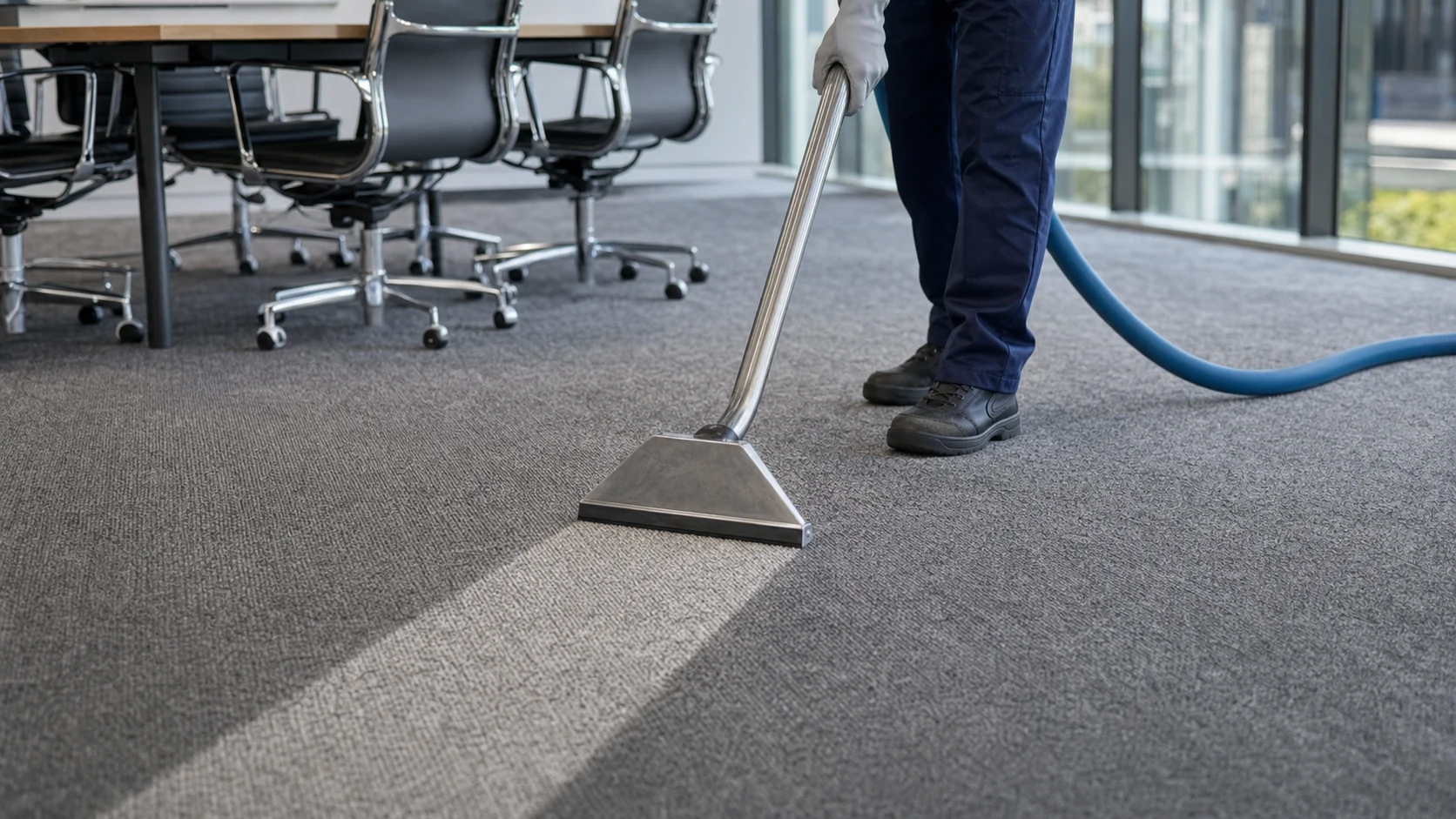
Clean Best completing scheduled periodic carpet cleaning in Sydney

Working in Yennora and the Cumberland

Yennora in the Cumberland area holds warehousing, transport, distribution and industrial facilities, many operating across extended or continuous shifts with driver and yard staff cycling through the same amenity blocks all day. Those facilities take far heavier use relative to their size than an equivalent office building, and there is no overnight period during which the site resets. Access at unusual hours also affects where consumables can be drawn from. Clean Best services Yennora from Seven Hills and aligns attendance with the shift pattern where possible.

Questions about Yennora

Why do the amenities look poor by the afternoon?

Because a single attendance produces a condition at one point in a continuous cycle, and on a shift site the facilities are used within minutes of the cleaner leaving. The clean is real; it simply is not preserved by an empty building the way an office is. Holding condition through the day requires a second attendance.

When should we inspect the cleaning?

Both immediately after an attendance and immediately before the next one. The first tells you what the visit delivers, the second tells you what a full cycle of use produces. Confusing the two is the most common reason a continuously operating site concludes its cleaning is inadequate when it is not. Both readings belong in any fair assessment of the service.

Does timing the visit make a difference?

A considerable one. Finishing shortly before a shift change means the largest group of people encounters the facilities at their best. The same work at an arbitrary hour produces a much less visible result. If the site's shift pattern is known, arranging that costs nothing additional. The shift pattern is recorded when the scope is written.

Is a second visit better than a longer one?

Usually yes on a continuous site, because the problem is the interval rather than the amount of work in any single visit. A second shorter pass focused on amenities, crib rooms and waste maintains condition far better across a day than one extended attendance at a single point in it. It is described and priced as a separate item.

Why do consumables run out so quickly here?

Because usage is high and unpredictable across shifts. A reporting trigger works better than a fixed restocking assumption, and the store has to be accessible at the hours cleaning occurs. A locked store combined with an after-hours attendance guarantees empty dispensers regardless of how the arrangement is written. Store access is confirmed at the walkthrough for that reason.

Get a fixed written quote for Yennora

Free walkthrough, scope in writing, price back within 24 hours.

Request a quote
Call nowEmail us