
Ashfield NSW 2131

Inside cupboards and storerooms in an Ashfield building clean

Almost every scope covers the outside of a cupboard and almost none covers the inside, yet the difference is rarely written down. In an Ashfield building with retail, consulting rooms and common areas in the same address, that gap is worth closing early.

In short

On a standard scope, cupboard, cabinet and locker exteriors are wiped as part of routine surface work. Interiors are excluded, because they hold stock, records, equipment and personal items that a cleaner has no basis to move, sort or return to the right place. The exterior work is genuine and visible; the interior is simply somebody else's decision.

Interiors can be included, but as a scheduled task with the space emptied first by the occupier. Clean Best identifies which storage areas are likely to need it during the walkthrough and records the arrangement in the fixed written proposal, so an internal clean is planned rather than requested at short notice.

What the outside of a cupboard actually gets

Routine work on joinery covers the visible faces: doors, handles, the front edge of shelving, the kick rail and the top surface where it is within safe reach. Handles matter most, because they are touchpoints, and they carry marks that make the whole run look neglected. Kitchen and reception joinery generally gets more attention than a back-of-house cupboard, and the scope should say which is which.

Above head height, the top of a tall cabinet is a different question. It collects dust slowly and it usually needs a step, so it belongs to periodic detail work rather than a routine pass. Writing it as a rotational item with a stated interval is more honest than including it in a general dusting line that nobody will resource. The proposal names the surfaces rather than relying on the word dusting.
Why interiors are excluded by default

A cleaner opening a cupboard is immediately making decisions that belong to the occupier. Is this stock still current, is this box rubbish or archive, does this equipment have a place it must return to. In a healthcare suite or a retail tenancy, some of those items are controlled, dated or client-owned. Emptying a shelf to wipe it and putting it back differently is a small act with a disproportionate consequence.

There is also a practical point. Interior cleaning takes far longer than it looks, because most of the time is spent removing and replacing contents rather than wiping. Folding it into a routine visit means something else in the same visit gets less attention. Keeping it out of routine work and naming it as a planned task is the arrangement that leaves both the cupboard and the rest of the building properly served.

Getting an internal clean done properly when it is needed

The workable sequence is simple. The occupier empties the cupboard or storeroom, the cleaning team attends at an agreed time and cleans shelves, internal walls, floor and fixtures, and the occupier restocks. That way nothing is moved without the owner seeing it, and the work is done to a standard that is actually visible afterwards. It also allows expired or unwanted items to be dealt with by the people entitled to decide.

This is a separate item on a proposal, described by area and priced on its own. It is not a frequency promise and it is not something that quietly appears in a routine week. Where a storeroom holds chemicals, clinical items or anything requiring specific handling, that portion is excluded again and referred to whoever is responsible for the material, rather than being absorbed into a cleaning task.

Storage inclusions to settle in an Ashfield building

  • Which joinery faces are wiped on a routine visit
  • Whether cabinet tops sit in routine or periodic work
  • A written exclusion for cupboard and locker interiors
  • The process for booking an emptied storeroom clean
  • Who removes expired stock or unwanted items
  • Any storage holding chemicals or clinical items, excluded by name
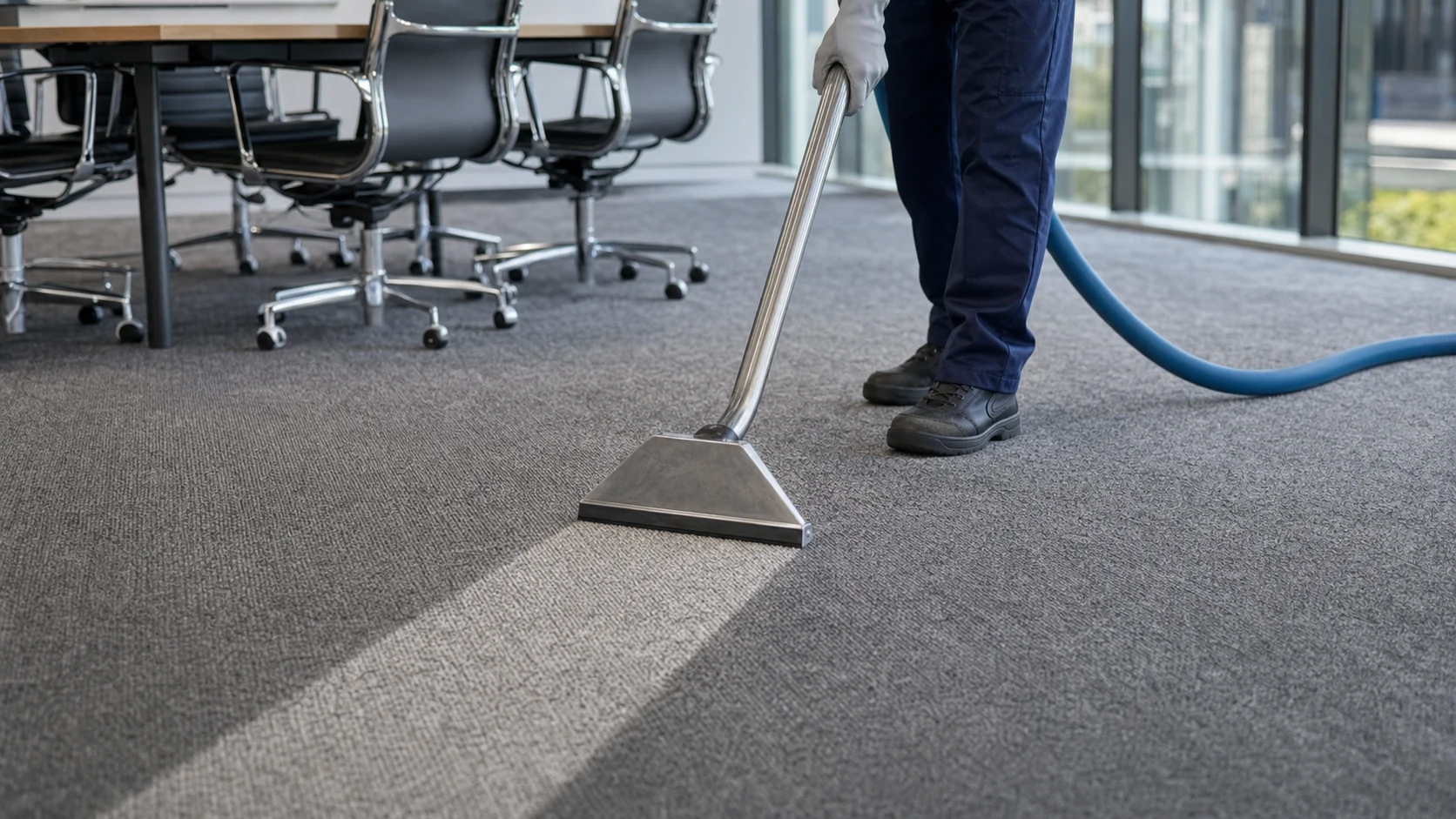
Clean Best completing scheduled periodic carpet cleaning in Sydney

Working in Ashfield and the Inner West

Ashfield in the Inner West mixes retail, healthcare, offices and apartment common areas, frequently in buildings where a ground-floor tenancy, a first-floor suite and residential levels share one entry and one set of service cupboards. Storage in those buildings tends to be tight and shared, which is precisely why the interior boundary needs stating: a cupboard in a common corridor may hold items belonging to three different parties. Clean Best services Ashfield from Seven Hills and confirms which storage areas are within the scope and who holds the keys before work starts.

Questions about Ashfield

Why will cleaners not wipe inside our cupboards?

Because doing so means handling contents that belong to someone else and returning them to an order the cleaner did not set. In healthcare and retail settings, some of those items are dated, controlled or client-owned. The default exclusion avoids that, and an internal clean is arranged as a planned task with the space emptied first by the occupier.

Can a storeroom clean be added to our agreement?

Yes, as a named item with its own description and price rather than as part of a routine visit. It is scheduled at a time when the room can be emptied, and it covers shelving, internal surfaces and the floor. Anything in that room requiring specialist handling stays excluded and is referred to the party responsible for the material.

Are lockers and staff cupboards treated the same way?

Yes. Faces and handles are wiped, interiors are not opened. Personal storage carries an additional privacy issue on top of the practical one, so it stays closed unless the occupier has emptied it and asked in writing. If a locker bank needs periodic internal attention, that is arranged with the site rather than assumed.

What about the top of tall cabinets and shelving?

Those surfaces are usually placed in periodic detail work rather than in a routine pass, because they need a step and they do not soil at the same rate as touchpoints. Naming them with a stated interval avoids the common outcome where a general dusting line is written into a scope and never actually resourced. It also gives the site a realistic picture of how long that work actually takes.

Will cleaners throw out anything they find in storage?

No. Nothing in a cupboard or storeroom is discarded by cleaning staff. Waste removal is limited to bins and to material the occupier has clearly placed for disposal. If something looks like it should go, it is reported rather than removed, which keeps the decision with the person who knows what the item is.

Get a fixed written quote for Ashfield

Free walkthrough, scope in writing, price back within 24 hours.

Request a quote
Call nowEmail us