
Auburn NSW 2144

Waste beyond the bin at an Auburn retail and warehouse premises

Waste is where an inclusion list is tested hardest, because the task looks identical whether the bag weighs two kilos or the pile is a pallet of flattened cartons. In Auburn, with retail and warehousing side by side, that distinction is worth writing down.

In short

A standard scope in Auburn includes emptying internal bins, replacing liners and transferring the contents to the site's nominated waste point. That is bin transfer, and it is genuinely a cleaning task. Removing bulk items, excess cardboard, pallets, e-waste or anything the site's own waste service will not take is excluded.

The reason is simple: once material leaves the premises it becomes a disposal question with its own rules, costs and paperwork. Clean Best names the collection point in the fixed written proposal and confirms what happens when volumes exceed it, so the boundary is visible before the first busy trading week arrives.

Internal transfer is a cleaning task; disposal is not

Emptying bins, relining them, wiping the rims and taking bags to a bin room or compactor is ordinary routine work, and it should be described that way. What follows is a separate industry. Skips, cardboard balers, secure destruction, e-waste collection and regulated streams all involve licensed operators, weighbridge records and disposal costs that no cleaning rate is built to carry. Describing the transfer step precisely is what keeps the rest of the conversation simple, because everyone can point at the same physical place.

The practical effect on an Auburn site is that the cleaning scope needs a named end point. Whether that is a bin bay, a chute, a compactor or a kerbside presentation area, the proposal should say it. Once it is named, a question like whether the cardboard mountain gets removed has an obvious answer, and nobody discovers the gap on the evening the bin room is already full.
Cardboard, packaging and the volume problem

Retail and warehouse tenancies generate packaging in bursts. A delivery day produces more cardboard than a fortnight of office waste, and the volume is not proportional to floor area or to time on site. Flattening and stacking cartons at the point of unpacking is normally a site task, because it happens as goods are received rather than after hours when a cleaner attends.

Where a cleaner is expected to move that volume, it has to be recognised as its own line rather than absorbed into a bin round. Otherwise the visible outcome is that either the cardboard sits or something else on the task list is skipped to make room. Naming it, sizing it and pricing it separately is the only arrangement that survives a genuinely busy month.

Streams that never belong in a general waste inclusion

Some material is excluded regardless of volume. Batteries, fluorescent tubes, paint and solvent containers, aerosols, oil, tyres, electrical items and anything from a workshop or an automotive bay are all regulated to some degree. A cleaner placing them into a general waste bin transfers a compliance problem onto the site owner without anyone deciding to accept it. Those items are left where they are, recorded, and raised with whoever manages the site's waste arrangements so the correct collection can be booked.

The same logic applies to anything unidentified. If a bag or container appears in a bin bay with no label and no obvious owner, the correct action is to leave it, report it and let the site determine what it is. That reporting-only response is a real inclusion and should be described as one, rather than left as an unstated assumption about what a cleaner will improvise.

Waste boundary items for an Auburn premises

  • The named end point for internal waste transfer
  • Who flattens and stacks incoming cardboard
  • What happens when bin capacity is exceeded
  • Named exclusion of bulk, e-waste and regulated streams
  • Reporting process for unidentified material
  • Whether bin bay washing is routine, periodic or excluded
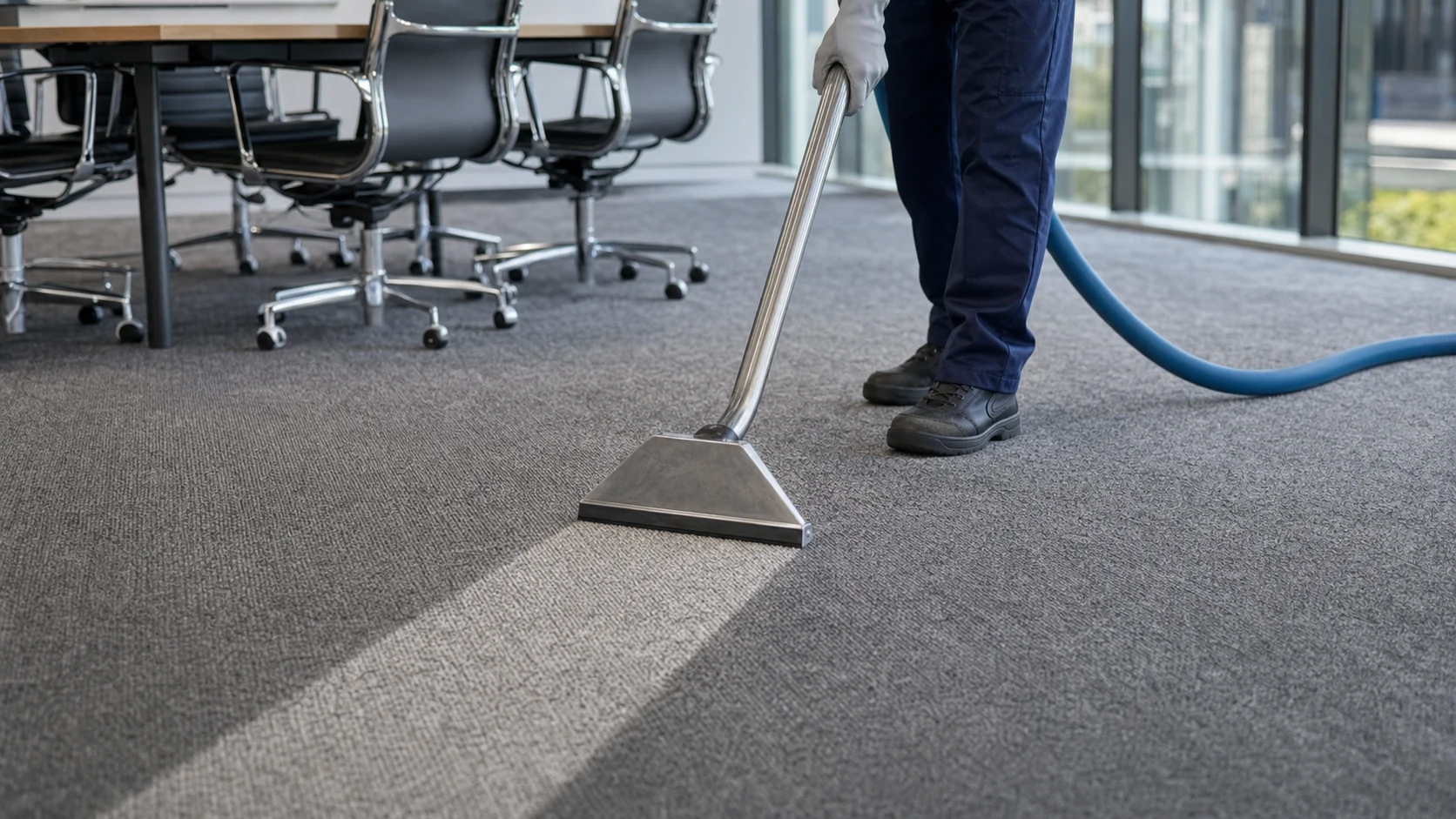
Clean Best completing scheduled periodic carpet cleaning in Sydney

Working in Auburn and the Central West

Auburn in Sydney's Central West carries a dense mix of retail, automotive, warehouses and multicultural business precincts, often on sites where a shopfront, a storage area and a service bay share one address and one bin bay. Waste volume in that setting is driven by trading and delivery patterns rather than by floor space, and several tenants may present into the same enclosure. That makes a named transfer point more useful than a general waste line. Clean Best services Auburn from Seven Hills and confirms the waste arrangement with the site before the scope is finalised.

Questions about Auburn

Is taking rubbish off site included?

No. A standard scope covers emptying internal bins and moving the contents to the site's nominated waste point. Removal from the premises involves licensed disposal, transport and cost recovery that belong to a waste contractor. The proposal names the collection point so there is no ambiguity about where the cleaning obligation ends.

Who deals with cardboard from deliveries?

Flattening and stacking at the point of unpacking is normally a site task, because it happens during trading rather than after hours. Where a client wants a cleaner to handle that volume, it is written as its own item with a realistic allowance. Folding it into a bin round means either the cardboard or another task will be left.

What happens if the bins are already full?

Cleaners will not overfill a bin, leave bags on the ground or place material into a stream it does not belong in. The situation is recorded and reported so the site can adjust its collection service. Repeated capacity problems are a waste-service issue rather than a cleaning one, and reporting them creates the evidence needed to fix it.

Can cleaners dispose of paint tins, batteries or old electricals?

No. Those items are regulated to varying degrees and cannot go into general waste. Putting them there would transfer a compliance problem to the site owner. They are left in place, reported, and referred to the appropriate collection service. This exclusion exists for legal and safety reasons rather than commercial ones. Naming the streams in the proposal makes the limit visible before a busy week tests it.

Is washing out the bin bay part of the routine visit?

Not automatically. Bin bay washing needs water access, drainage that can legally take the run-off and a suitable product, so it is treated as a named item rather than assumed. Where a site has the drainage for it, it can be scheduled as periodic work. Where it does not, the limitation is recorded rather than worked around.

Get a fixed written quote for Auburn

Free walkthrough, scope in writing, price back within 24 hours.

Request a quote
Call nowEmail us