
Burwood NSW 2134

Lifts, escalators and what a Burwood cleaning scope covers on each

Vertical transport is the busiest surface in any Burwood building and the one with the clearest split between cleaning and engineering. Panels, glass and treads are cleaning. Anything behind a panel, under a comb plate or inside a shaft is not.

In short

A standard scope covers what passengers touch and see: lift car floors, walls, mirrors, handrails, button panels, door faces and door tracks at floor level, plus escalator balustrade glass, handrails, skirt panels and the visible surface of the treads. Landing thresholds and the floor immediately outside the doors are covered as well.

It excludes machine rooms, shafts, pits, comb plates, step chains, drive components and anything requiring the equipment to be isolated. Those belong to the lift contractor under a maintenance agreement. Clean Best names the split in the fixed written proposal so a building manager knows which provider owns which surface.

The lift car is a touchpoint problem before it is a cleaning one

Every person entering a lift touches a button and often a handrail, and in a busy Burwood building that is thousands of contacts a day. A routine inclusion should treat the panel, the handrail and the door edges as touchpoints with an appropriate product rather than as part of a general wipe. Mirrors and stainless walls need a method that does not streak, which is a specification question rather than an effort one.

Door tracks are the item that gets missed. Grit collects there constantly, it is visible from inside the car, and it eventually affects door operation, which turns a cleaning omission into a service call. Naming the track in the inclusion list, with a suitable method for removing debris without pushing it further into the mechanism, is a small addition that prevents a much larger cost.
Escalators: the visible surface only

Balustrade glass, handrails and skirt panels are ordinary cleaning surfaces and belong in routine work, with the handrail treated as a heavy touchpoint. The visible face of the treads can be cleaned while the unit is stationary and isolated by the responsible party. What is excluded is everything the tread sits on: the step chain, the drive, the truss interior and the space beneath the comb plate at each landing.

A deep escalator clean, where a machine works the tread surface in detail, is specialist work that needs the unit shut down and the equipment owner involved. It is a periodic or on-request item at most, arranged with the lift contractor's knowledge. It is never something to be absorbed into a routine building clean, because the isolation itself is not a cleaning provider's decision to make.

Where the two agreements meet, and who to call

The most useful thing a building manager can take from this is a short list of which faults go to whom. Marks, litter, smears and debris in a track go to the cleaning provider. Noise, judder, a step that does not sit level, a comb plate with a missing tooth, or a lift levelling incorrectly goes to the lift contractor immediately. A cleaner who notices any of the second group should report it rather than pass it over.

That reporting inclusion is worth writing down, because cleaners are often the only people in the building at the time when a fault first shows. Recording an observation with a date gives the building something to act on, and it also protects the cleaning provider from being blamed for a condition that has an engineering cause rather than a cleaning one. It also gives the building a dated record if the same fault recurs.

Vertical transport inclusions in a Burwood building

  • Lift panels and handrails treated as touchpoints
  • Door tracks named with a suitable debris method
  • Mirror and stainless method specified to avoid streaking
  • Escalator glass, handrails and skirt panels in routine work
  • Named exclusion of shafts, pits, comb plates and drives
  • A reporting path for faults that belong to the lift contractor
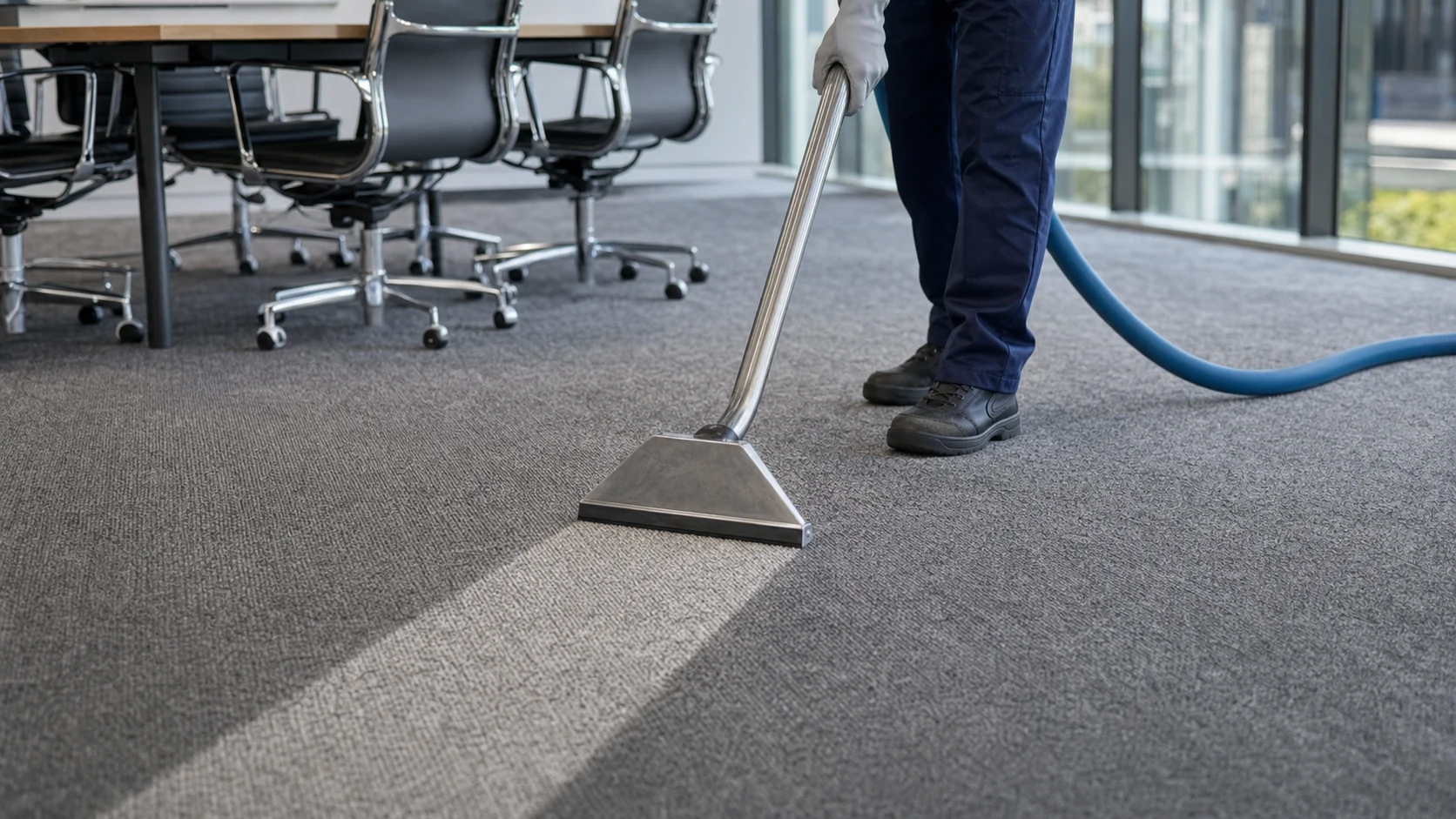
Clean Best completing scheduled periodic carpet cleaning in Sydney

Working in Burwood and the Inner West

Burwood in the Inner West combines shopping, offices, education and high-density mixed-use buildings within a small centre, and most of those premises move people vertically all day. Buildings that combine retail at ground level with offices or residential above tend to have both lifts and escalators under different maintenance agreements, sometimes with different responsible parties. That makes the split between cleaning surfaces and engineering components something a building manager needs recorded rather than assumed. Clean Best services Burwood from Seven Hills and confirms which equipment is inside the cleaning scope at the walkthrough.

Questions about Burwood

Are lift interiors included in a building clean?

Usually yes. Car floors, walls, mirrors, handrails, button panels and door faces are ordinary cleaning surfaces and belong in routine work, with panels and handrails treated as touchpoints. What is excluded is anything behind a panel or inside the shaft, which belongs to the lift maintenance contractor rather than the cleaning provider.

Can cleaners clean the escalator steps?

The visible tread surface can be cleaned while the unit is stationary and isolated by the party responsible for it. A detailed tread clean using specialist equipment is separate work, arranged with the lift contractor's knowledge. Nothing beneath the comb plate or inside the truss is touched, because that requires the machine to be opened.

Who cleans the lift pit and machine room?

Neither is a cleaning inclusion. Both are part of the lift maintenance agreement, and both require the equipment to be isolated by a qualified person. A cleaning provider entering either space would be working inside a machine it has no authority to isolate. The exclusion is written into the proposal rather than left unstated. Both spaces stay with the party that holds the maintenance agreement.

Why does the lift door track keep collecting grit?

Because it is the lowest point at every landing and everything that comes off a shoe ends up there. It is worth naming as its own routine item with a method that lifts debris rather than pushing it deeper into the mechanism. Left alone it eventually affects door operation, which becomes a service call rather than a cleaning issue.

What should a cleaner do if a lift is behaving oddly?

Report it immediately to the building contact and record the observation with a date. Cleaners are often the only people present when a fault first appears, so that report has real value. Judder, uneven levelling, unusual noise or a damaged comb plate all belong to the lift contractor and are never something a cleaner attempts to address.

Get a fixed written quote for Burwood

Free walkthrough, scope in writing, price back within 24 hours.

Request a quote
Call nowEmail us