
Chatswood NSW 2067

Surfaces already covered by the building in a Chatswood tenancy

In a multi-tenanted Chatswood building, two cleaning agreements are usually in play and neither describes the other. A tenant can end up paying twice for a lobby, or discover that a service corridor belongs to nobody at all. Both outcomes are avoidable.

In short

A tenancy scope should cover the leased area and stop at its boundary: the tenancy floor, internal amenities where they are within the lease, kitchens, meeting rooms, internal glass and the entry doors. Common lobbies, shared amenities, lift cars, fire stairs and external areas are normally serviced under the building's own arrangement.

The value of naming that is not tidiness, it is cost and coverage. Clean Best establishes the boundary at the walkthrough and states it in the fixed written proposal, including any shared area the building does not service, so the tenant can raise it with building management rather than absorbing it silently.

Reading the lease boundary as a cleaning boundary

The lease plan is the starting point, but it rarely answers every question. A tenancy that occupies part of a floor may have amenities inside the demise or share them in a common lobby. A dedicated entry door may sit in a common corridor. A store or comms cupboard may be leased but accessed from outside. Each of these determines who is responsible for cleaning the surface, and each is worth confirming rather than assuming from a drawing.

The practical test on a walkthrough is to stand at each threshold and ask who pays for what is on the other side. Where the answer is the building, the tenancy scope excludes it by name. Where the answer is unclear, that is exactly the item to raise before the agreement starts, because unclear areas are the ones that end up unserviced for months.
The two failure modes: doubling up and falling through

Doubling up is the quieter problem. A tenant includes the lift lobby in its scope because it is the first thing visitors see, without knowing the building already services it nightly. The area gets cleaned twice, the tenant pays for one of those visits, and nobody notices because the outcome looks fine. It is a straightforward cost that disappears once the boundary is written down. A five-minute check at the walkthrough is usually enough to find it, and the saving continues for the life of the agreement.

Falling through is the visible problem. A service corridor behind a tenancy, a shared kitchen on a part floor, a stairwell used only by two tenants, or a rear entry lobby can sit outside both agreements. Each party assumes the other has it. The area declines slowly until somebody complains, and by then the fix requires a conversation between two providers and a building manager.

Writing the exclusion so it is useful to the tenant

An exclusion is more valuable when it says who does own the area. Rather than simply listing the lift lobby as excluded, the proposal can note that it is serviced under the building arrangement. That gives an office manager something specific to raise with building management if standards slip, instead of a vague sense that it is somebody else's job. It also prevents a new staff member reinstating the item at the next review.

The same applies to shared amenities. If a tenancy uses a common bathroom serviced by the building, the tenancy scope should say so and note the consumable arrangement that applies there. Where the tenant wants additional attention during the day, that becomes a separate item and needs building consent, because a tenancy provider working in common areas is operating outside its own agreement.

Boundary items for a Chatswood tenancy scope

  • The lease demise confirmed against the actual cleaning boundary
  • Which amenities sit inside the tenancy and which are shared
  • Common lobbies and lift cars excluded and attributed to the building
  • Any shared area currently serviced by neither agreement
  • Consumable arrangements in common amenities
  • Consent required before working in common areas
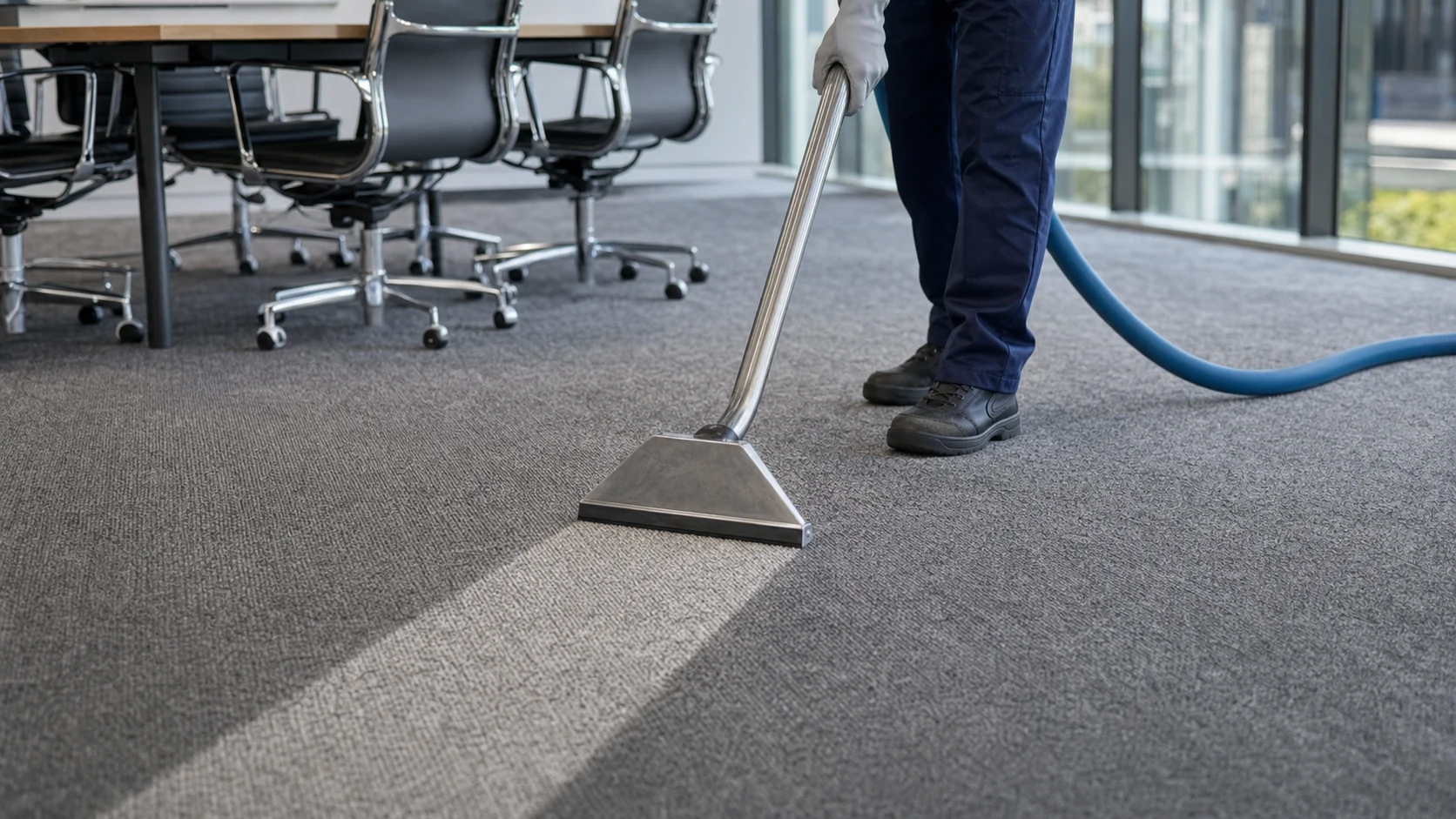
Clean Best completing scheduled periodic carpet cleaning in Sydney

Working in Chatswood and the Lower North Shore

Chatswood on the Lower North Shore is office towers, shopping centres, hospitality and healthcare, with a large number of part-floor and suite tenancies in buildings that also hold retail and medical uses. Mixed use in one structure means several cleaning agreements operating at once, sometimes with different hours and different access arrangements through the same lobby. That is the condition under which boundary questions multiply. Clean Best services Chatswood from Seven Hills and confirms the demise, the shared areas and the building's own arrangements before a tenancy scope is finalised.

Questions about Chatswood

Should our tenancy scope include the lift lobby?

Usually not, because in a multi-tenanted building the lobby is serviced under the base-building arrangement. Including it means paying for work that already happens. The exception is a lobby on a single-tenant floor, which is often treated as part of the tenancy. The walkthrough establishes which situation applies before anything is priced.

What happens to areas neither agreement covers?

They decline until somebody complains, which is why identifying them early matters. Service corridors, rear lobbies and shared kitchens on part floors are the usual candidates. Once named, the tenant can either raise it with building management or add it by agreement, subject to consent for working in an area outside the lease.

Can our cleaner work in common areas if we ask?

Only with the building's consent. A tenancy provider operating in common property is working outside the agreement that authorised it, and there may be insurance, access and induction implications. Where a tenant wants additional attention in a shared space, it is arranged through building management rather than added quietly to a tenancy scope. That keeps the building's own provider and the tenancy provider from working across each other.

Who supplies consumables in shared bathrooms?

Normally the building, as part of the same arrangement that services the amenity. That should be noted in the tenancy scope so nobody double-supplies or assumes the tenancy provider is responsible for restocking. Where a tenant has its own amenity inside the demise, the consumable arrangement for that room is agreed separately.

How do we check whether we are paying twice?

Walk the boundary and ask, at each threshold, which agreement covers the space beyond it. Anything on the list that the building already services can come out. It is a short exercise and it usually surfaces at least one item, particularly in buildings where the tenancy scope was written before the current base-building arrangement existed. Doing it at each review keeps the scope aligned as the building's arrangements change.

Get a fixed written quote for Chatswood

Free walkthrough, scope in writing, price back within 24 hours.

Request a quote
Call nowEmail us