
Homebush West NSW 2140

Wet floors, waste and trading-day limits in Homebush West food premises

Food retail leaves a floor that is wet, organic and constantly re-soiled. A cleaning scope in that environment has to be honest about what it can achieve between trading days and what only stops when trading stops. The difference between the two is worth writing down before the first trading day.

In short

A standard scope in a Homebush West food retail or market tenancy covers floors with a degreasing method, drains kept clear at the surface, wall surfaces to an agreed height, bin areas, amenities, waste transfer to the nominated point and accessible non-food surfaces. Coving, plinth lines and the grout profile are named individually.

It excludes product handling, food-contact surfaces during trading, display equipment interiors, cool room shelving and anything covered by the operator's own food safety programme. Clean Best names the division in the fixed written proposal so the operator's own sanitation obligations remain visible and separate. Nothing in the scope replaces or duplicates the operator's own sanitation records.

The floor problem in a wet trading environment

Floors in food retail carry water, organic matter and product residue continuously through the day. A single clean at the end of trading holds the space for the next opening, but it does not create a floor that stays clean while people are working on it. That is a realistic limit and it is worth saying, because a scope judged on midday appearance in a wet trading area will never be met by an after-hours attendance alone.

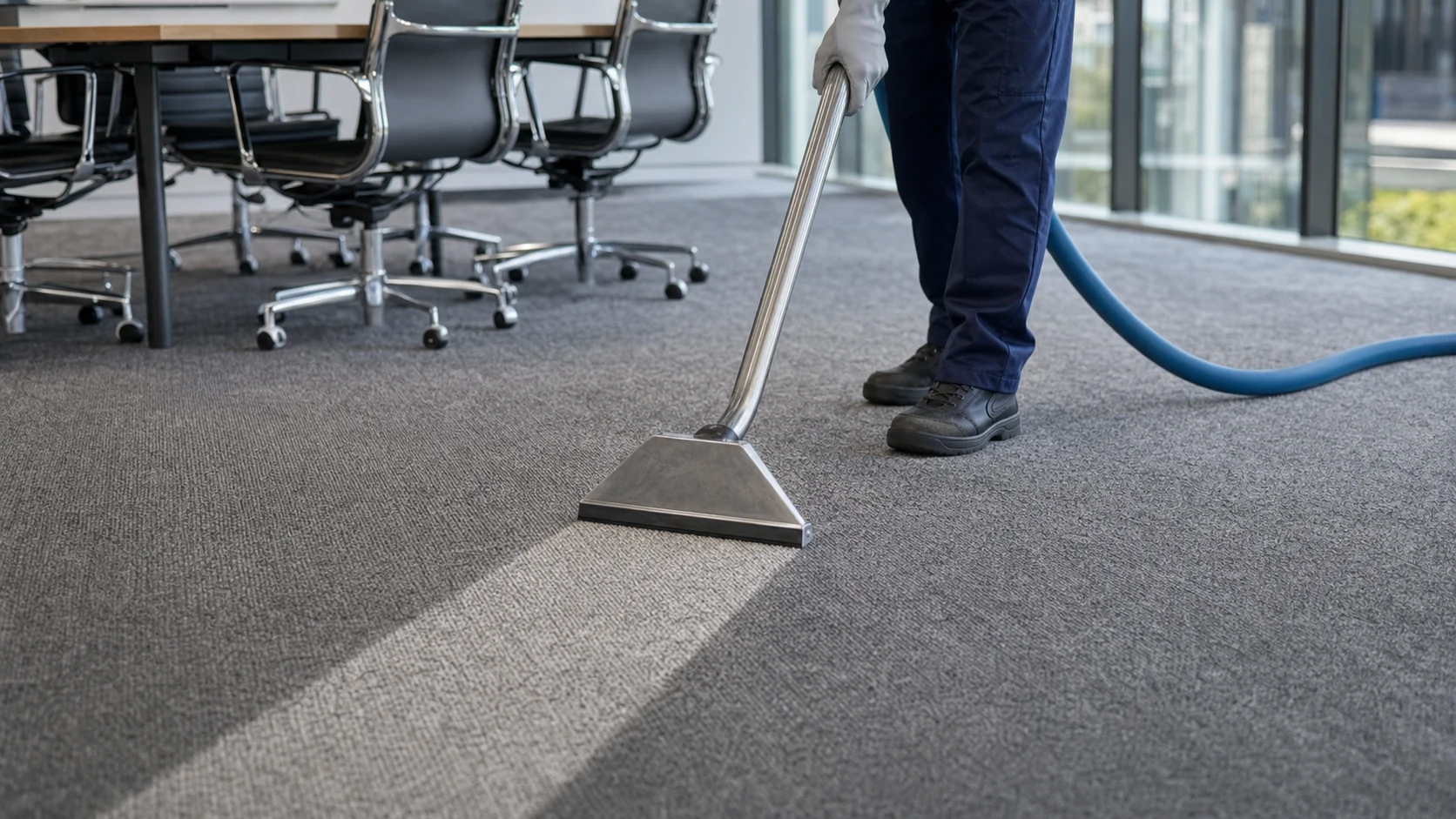
Method matters more than frequency here. A degreasing product with mechanical action, attention to coving and the grout line, and proper removal of water rather than pushing it toward a drain all determine the result. Where a floor has a textured or slip-resistant finish, it needs equipment that reaches into the profile, which is a specification detail worth naming in the scope rather than leaving to whatever is on the trolley.
Food-contact surfaces belong to the operator

Preparation benches, display trays, slicers, scales, chopping surfaces, knives and anything touching product are cleaned and sanitised under the operator's food safety programme. That programme records the method, the product, the frequency and who did it, and it is the document a food authority inspects. A cleaning contractor cannot substitute for it, and a scope that implies otherwise creates a compliance risk rather than a saving.

What a contractor contributes is the environment around that programme: floors, walls, drains, bin areas, amenities, non-food surfaces and general waste. Done properly, that reduces the load on the operator's own routine and removes the conditions that pests and odour rely on. Keeping the two clearly separate is what allows an inspector to see who is responsible for what. It also gives an inspector a clear answer when they ask who performs a particular task.

Waste, pests and the conditions cleaning can influence

Organic waste is the defining variable in a food premises. Bins fill faster, they leak, and they generate odour within hours in warm weather. A scope should name bin body cleaning, liner changes based on condition rather than schedule, and the state of the bin area itself. Where a site has drainage that permits it, a periodic wash-down of the bin area does more for odour than anything else in the agreement.

Pest control remains a separate licensed service. Cleaning influences the conditions pests depend on, and a cleaning provider reports evidence it observes, but baiting, treatment and inspection belong to a licensed pest contractor engaged directly. Recording that boundary keeps the pest management records where they belong and prevents a cleaning agreement being treated as pest control by another name. That separation matters most when an issue arises and both records are examined.

Food premises boundaries in Homebush West

  • Floor method specified for wet and organic soil
  • Equipment suited to textured or slip-resistant finishes
  • Wall cleaning height stated in the scope
  • Food-contact surfaces excluded and left to the food safety programme
  • Bin body cleaning and condition-based liner changes named
  • Pest control excluded, with observation reporting included
Clean Best completing scheduled periodic carpet cleaning in Sydney

Working in Homebush West and the Central West

Homebush West in the Central West is defined by markets, warehouses, retail and food-related businesses, with a concentration of wholesale and retail food operations working from large-format buildings and multi-tenanted market floors. Trading in those premises produces water and organic waste across long hours, and the shared floor between tenancies means one operator's spill becomes everyone's problem. Because the operators carry their own food safety obligations, the separation between contractor and operator tasks needs to be explicit. Clean Best services Homebush West from Seven Hills and records that separation at the walkthrough.

Questions about Homebush West

Can the floor be kept clean during trading?

Not to the standard achievable after hours. In a wet trading environment the floor is re-soiled continuously, so an after-hours clean holds the space for the next opening rather than maintaining it through the day. If midday condition matters, that requires a presence during trading and is described and priced as a separate component.

Do cleaners sanitise preparation benches?

No. Food-contact surfaces are cleaned and sanitised under the operator's own food safety programme, which records the method, product, frequency and person responsible. That is the document a food authority inspects. A contractor covers the surrounding environment, which reduces the load on that programme without replacing any part of it. The two records stay separate and each remains defensible.

What is done about odour from the bin area?

Bin bodies are cleaned, liners are changed on condition rather than on a fixed schedule, and the bin area itself is included. Where the site has drainage that legally permits it, a periodic wash-down does more for odour than any other single item. Where the drainage is absent, that limit is noted in the proposal instead of being quietly ignored.

Is pest control part of the cleaning agreement?

No. Baiting, treatment and inspection are a licensed service engaged directly by the site. Cleaning influences the conditions pests rely on, and the cleaning team reports evidence it observes with a date and location. Keeping them separate also keeps the pest management records with the contractor legally responsible for them. Those reports also give the pest contractor a useful history between visits.

Why does the floor finish change the equipment used?

Because a textured or slip-resistant floor holds soil in the profile, and a flat mop passes over it without lifting anything out. Reaching into that profile needs mechanical action from a suitable machine or brush. Naming the finish and the equipment in the scope is what prevents a floor being cleaned repeatedly without ever looking any different.

Get a fixed written quote for Homebush West

Free walkthrough, scope in writing, price back within 24 hours.

Request a quote
Call nowEmail us