
Mount Kuring-gai NSW 2080

What a short attendance genuinely fits at a Mount Kuring-gai unit

For a small industrial unit the honest inclusion question is not what could be cleaned but what fits. A short attendance is a fixed quantity of work, and deciding how to spend it is a more useful conversation than listing everything in the building.

In short

In a small unit a short visit realistically covers amenities properly, the kitchen or crib area, the office floor and desks that are clear, waste to the bin point, and touchpoints. That is a genuine outcome and it addresses what degrades between visits. Those are the areas that fail visibly between attendances.

It does not also cover the warehouse floor, detail dusting, glass throughout, or storage areas. Adding those to the same visit means the amenities suffer. Clean Best states what the attendance covers in the fixed written proposal, and any additional area is either a longer visit or a separate periodic item.

The arithmetic nobody wants to do

A short attendance at a small premises is a finite amount of labour, and every task on a list consumes part of it. Amenities alone, done properly with correct dwell times and separated cloths, take a meaningful share. Adding a warehouse sweep and a glass round to the same visit does not create more time; it takes time away from the amenities, which is precisely the area that fails visibly and matters most.

That is why a realistic scope for a small unit is short. The temptation is to list everything so the document looks comprehensive, but a list longer than the visit guarantees inconsistency. Naming fewer tasks and doing them fully produces a better result and a service the occupier can actually check, which is worth more than a page of items that are attempted unevenly.
Choosing what the visit is for

The right priorities depend on the business. A unit with customer visits needs the front office, the entry and the amenities to be reliable. A unit with staff only needs amenities and the crib room above everything else. A unit where dust affects the product may need the opposite emphasis. Deciding that deliberately, rather than accepting a generic task list, is the most valuable part of writing a scope for a small site.

It is also worth naming what is deliberately not included so the occupier knows. A scope that quietly omits the warehouse floor looks like an oversight; one that says the warehouse floor is not included in the routine visit and can be added as a periodic item reads as a decision. The second version leaves the occupier in control and avoids a slow accumulation of unmet expectations.

Adding the rest without inflating the routine visit

The efficient way to cover the remaining areas is periodic work at a longer interval. A warehouse floor sweep, glass throughout, detail dusting, storage areas and high-level work can each be scheduled at their own frequency, done properly when they happen, and priced separately. That produces a better building than trying to touch everything a little on every visit. Each item is described so the occupier knows exactly what they are buying when they book it.

For a small business the practical benefit is budget control. The routine cost is predictable and covers what has to happen; the periodic items are visible and can be scheduled around cash flow or quiet periods. It also means a busy month does not silently degrade the service, because the routine visit was never carrying more than it could deliver in the first place.

Scoping a short attendance in Mount Kuring-gai

  • The tasks the visit actually covers, listed briefly
  • Amenities protected as the first priority
  • Areas deliberately excluded, named as decisions
  • Priorities chosen against how the business uses the unit
  • Warehouse, glass and detail work placed in periodic items
  • Periodic items priced so they can be scheduled independently
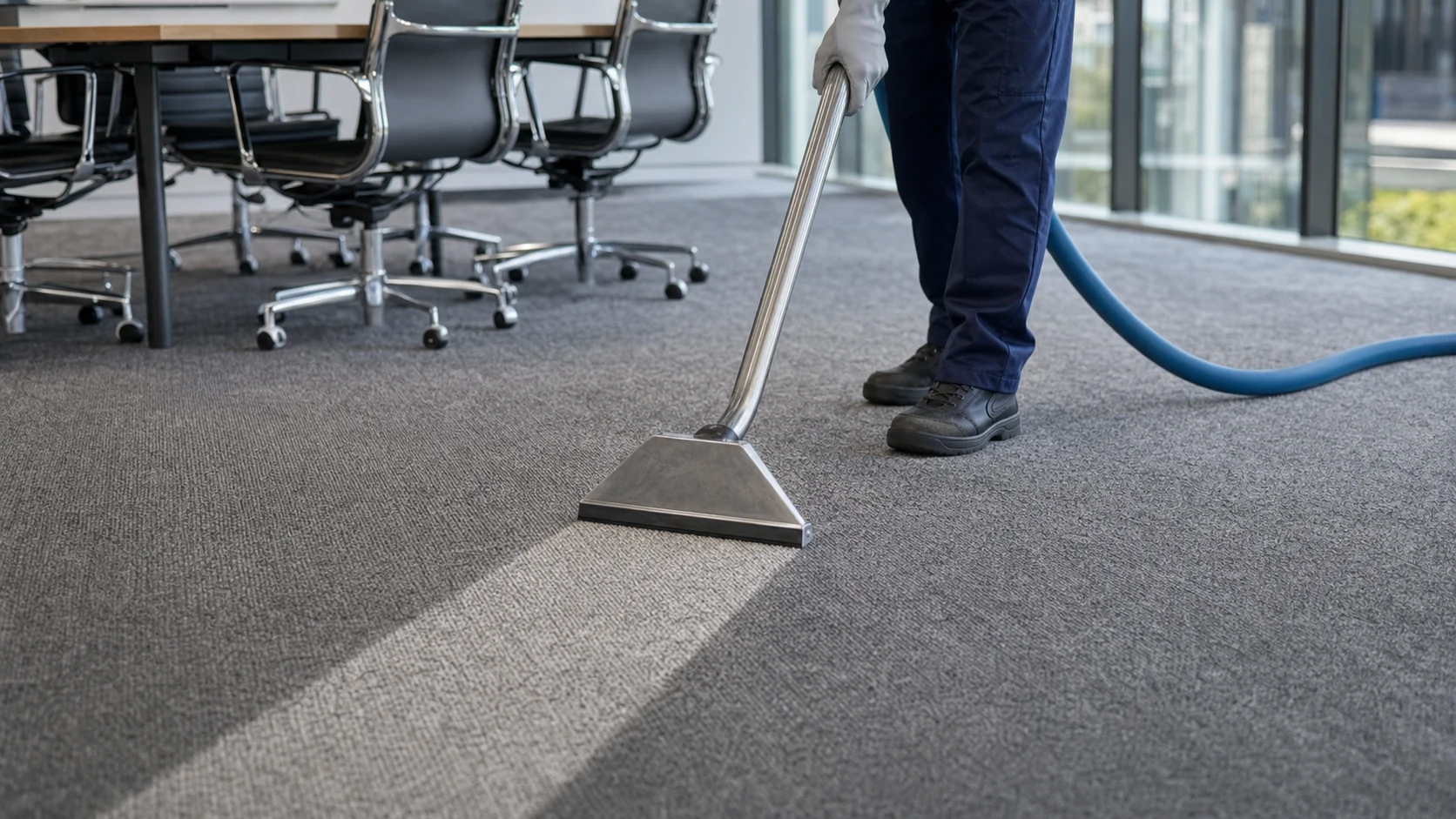
Clean Best completing scheduled periodic carpet cleaning in Sydney

Working in Mount Kuring-gai and the Upper North Shore

Mount Kuring-gai on the Upper North Shore is largely industrial estates, warehouses and trade businesses, typically in single units occupied by small teams rather than in large facilities. Those occupiers often have a modest cleaning budget and one person managing it alongside their own job, so a scope that promises more than it can deliver creates ongoing friction. The units are also frequently a mix of a small office, an amenity and a workshop, which multiplies the areas competing for a short visit. Clean Best services Mount Kuring-gai from Seven Hills and sets realistic priorities at the walkthrough.

Questions about Mount Kuring-gai

Why is our scope shorter than we expected?

Because a short attendance is a finite amount of labour and every listed task consumes part of it. Naming fewer items and completing them fully produces a better and more checkable result than a long list attempted unevenly. Anything omitted is named as a decision rather than left out quietly. That makes the document useful to whoever is checking it rather than only to whoever signed it.

Can the warehouse floor be added to the same visit?

Only by taking time from something else, which is usually the amenities. The better arrangement is a periodic sweep at its own interval, done properly when it happens and priced separately. That gives the building a genuine result in both areas rather than partial attention across everything on every visit. It is also easier to budget for, because the cost appears when the work does.

How do we decide what the visit should prioritise?

By how the business actually uses the unit. A premises with customer visits needs the entry, front office and amenities to be reliable. A staff-only site needs amenities and the crib room first. A site where dust affects product may need a different emphasis entirely. That decision is the most valuable part of scoping a small premises.

Does a short visit mean a lower standard?

Not in the areas covered. It means fewer areas covered to a proper standard rather than more areas covered partially. In a small unit that trade-off usually favours the occupier, because the areas that fail visibly are amenities and the kitchen, and those are exactly the ones a focused visit protects. The rest is scheduled rather than abandoned.

What is the benefit of separating periodic items?

Budget control and predictability. The routine cost covers what must happen every visit, and the periodic items are visible and can be scheduled around quiet periods or cash flow. It also means a busy month does not silently degrade the service, because the routine visit was never carrying more than it could complete.

Get a fixed written quote for Mount Kuring-gai

Free walkthrough, scope in writing, price back within 24 hours.

Request a quote
Call nowEmail us