
Rozelle NSW 2039

Cleaning is not tidying at a small Rozelle business premises

Two words get used interchangeably and mean entirely different things. Cleaning removes soil from surfaces. Tidying decides where objects belong. Only one of those can be done by somebody who does not work in the business. Confusing them is how a helpful visit becomes a frustrating morning.

In short

A cleaning scope covers surfaces: floors, benches where clear, glass, amenities, waste and touchpoints. It does not cover putting items away, stacking, sorting, filing, returning stock to shelves, straightening displays or deciding what belongs where. Those tasks require knowing where things belong, which is business knowledge rather than cleaning skill.

That is a capability limit rather than a willingness one. Placement decisions require knowledge of the business, and a cleaner making them creates work rather than removing it. Clean Best records the distinction in the fixed written proposal so a small premises knows what a visit will and will not change.

Why the distinction is sharper in a small premises

In a large office most surfaces are impersonal and the tidying question rarely arises. In a small business almost every surface belongs to someone specific and holds items placed for a reason: a bench with tools in a particular order, a counter with stock ready for tomorrow, a desk with a job half finished. A cleaner tidying any of those is guessing about somebody's system.

The result of guessing wrong is disproportionate. A misplaced item in a small business can cost an hour of searching, and it happens to the same person repeatedly. That is why the honest position is to clean around and leave placement alone, even though it means some surfaces are only partially covered. The alternative sounds more thorough and produces a worse outcome.
What this means for the visible result

A premises that is cleaned but not tidied will still look busy. Floors, glass, amenities and clear surfaces will be genuinely clean, and the objects will be exactly where they were left. Some owners are surprised by that the first week, expecting the visual effect of a tidy room rather than the actual effect of a clean one. Setting the expectation before the first visit avoids that entirely.

It also creates a useful choice. A business that wants the visual result can adopt a clear-surface habit at close of trade, which takes a few minutes and produces both outcomes at once. That is genuinely more effective than asking a cleaner to tidy, because the person putting things away knows where they go and can do it in a fraction of the time. It also reframes the arrangement as a partnership rather than a service expected to produce an outcome it was never designed to deliver on its own.

The narrow exceptions worth naming

Some placement tasks are safe because the destination is obvious and fixed. Chairs returned under a table, a bin returned to its position, floor mats straightened, a door propped open closed at the end. These have one correct answer and no judgement involved, so they can sit in a scope without risk. Naming them individually is better than a general instruction to tidy up.

Anything with more than one possible destination stays out. Stock, tools, paperwork, samples, deliveries and personal items all have a right place that only a staff member knows. Where a business genuinely wants help with those, it needs a person engaged for that purpose rather than a cleaning scope stretched to cover something it was never designed for. Stretching a scope to cover it produces poor results for both parties.

Cleaning and tidying boundaries in a Rozelle business

  • A written statement that placement decisions are excluded
  • Surfaces cleaned where clear, worked around where not
  • The visual expectation set before the first visit
  • A clear-surface habit at close of trade if the look matters
  • Narrow exceptions named individually where a destination is fixed
  • Anything with more than one destination left in place
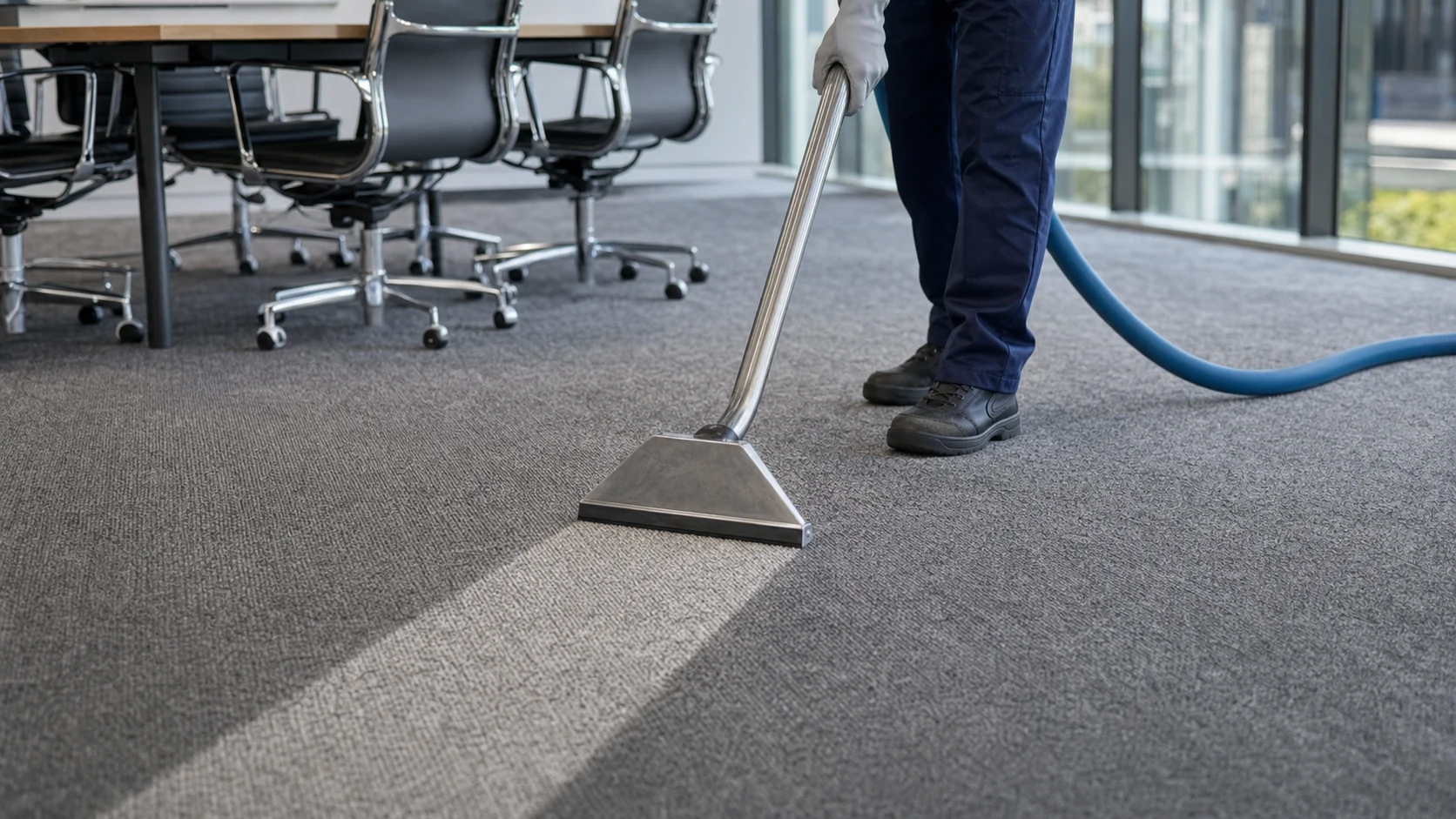
Clean Best completing scheduled periodic carpet cleaning in Sydney

Working in Rozelle and the Inner West

Rozelle in the Inner West is largely local business, retail, healthcare and hospitality operating from small shopfronts and converted terrace premises. Those businesses typically have one or two people running everything, limited storage and working surfaces that stay loaded because there is nowhere else for things to go. In that setting the cleaning and tidying distinction is not academic; it determines whether a visit helps or creates a morning of searching. Clean Best services Rozelle from Seven Hills and sets the expectation before the first attendance.

Questions about Rozelle

Why will the cleaner not put things away?

Because placement requires knowing the business. An item put in the wrong place can cost an hour of searching, and it happens to the same person repeatedly. Cleaning around and leaving placement alone means some surfaces are only partially covered, which is a better outcome than a tidy room where nothing is where it should be.

Will the premises actually look better after a visit?

It will be genuinely cleaner, and it will look much the same in terms of what is on the surfaces. Some owners expect the visual effect of a tidy room rather than the effect of a clean one. Setting that expectation before the first visit avoids the disappointment and makes the value of the service visible.

How do we get both outcomes?

A clear-surface habit at close of trade. Someone who knows where things belong can clear a counter in a few minutes, and the cleaner then covers the whole surface rather than working around objects. That produces a genuinely clean and tidy premises without asking anyone to guess about placement. It is also the cheapest way to get the full benefit of the visit.

Are there any tidying tasks you will do?

Ones with a single obvious destination: chairs returned under a table, a bin put back in position, mats straightened, a propped door closed. Those involve no judgement. They are named individually in the scope rather than covered by a general instruction to tidy, which would immediately drift into everything else. Each one is named in the scope by location.

What if we want help with stock and paperwork?

That needs a person engaged for the purpose rather than a cleaning scope stretched to cover it. Stock, tools, paperwork, samples and deliveries all have a correct place that only a staff member knows. Asking a cleaning arrangement to absorb it produces poor results and usually costs more than it appears to save.

Get a fixed written quote for Rozelle

Free walkthrough, scope in writing, price back within 24 hours.

Request a quote
Call nowEmail us